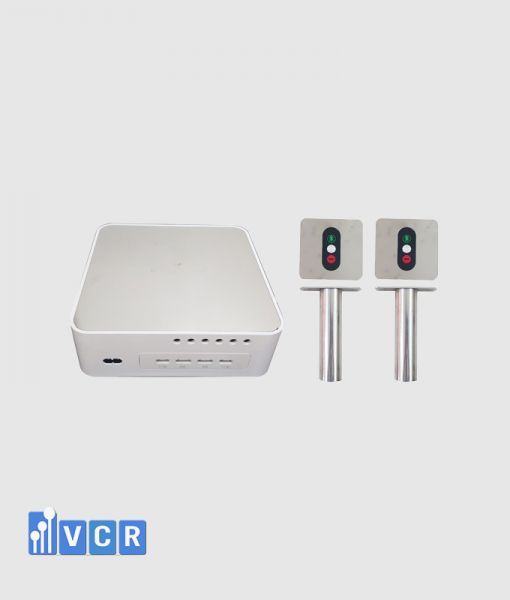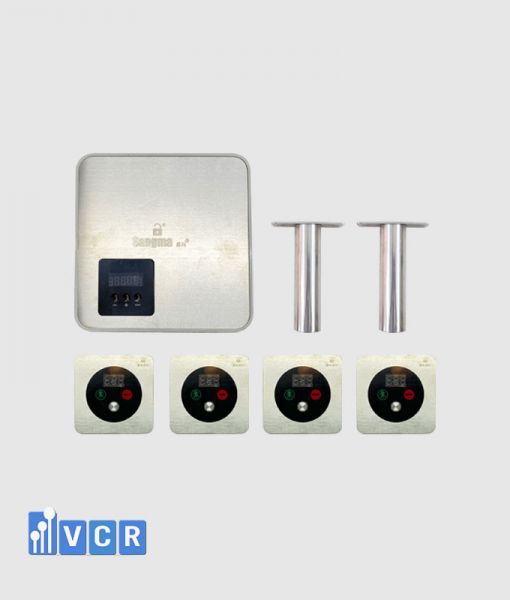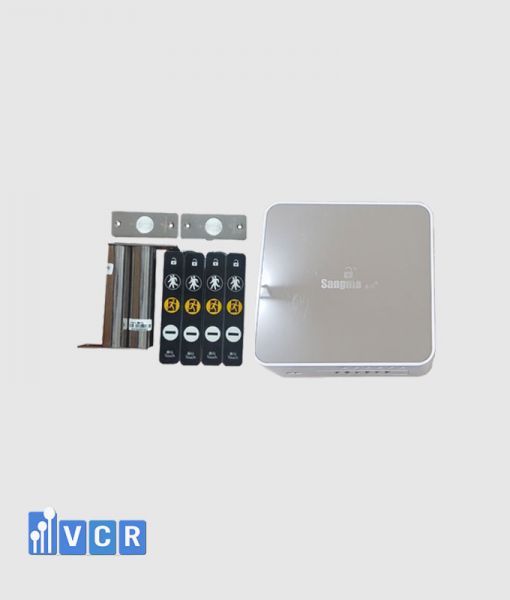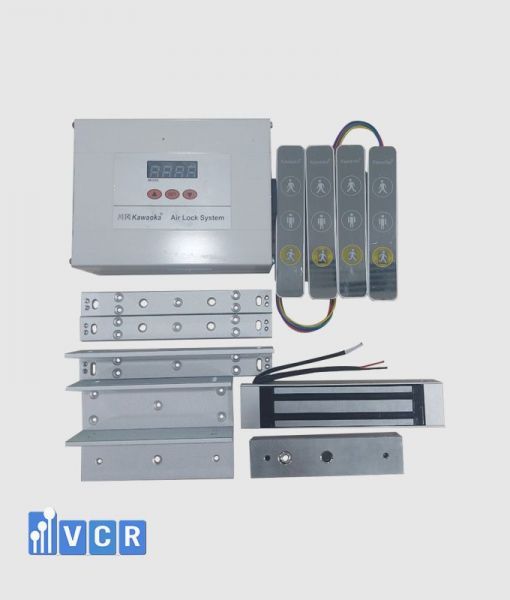

Interlock systems are critical for contamination control and pressure management, and are frequently assessed during ISO and GMP audits. Understanding standards helps ensure compliance and reduce risks.
- How are interlock systems related to ISO 14644 standards?
- What does EU GMP Annex 1 require regarding interlocks?
- Does WHO GMP require interlock systems?
- Do interlock systems require validation in GMP environments?
- Do interlock systems require IQ/OQ/PQ qualification?
- Must interlocks comply with electrical safety standards?
- Is periodic inspection required for compliance?
- Are SOPs required for interlock systems?
- Are operational logs required for interlocks?
- Is airtightness testing related to interlock compliance?
- Should interlocks be integrated with monitoring systems?
- Do interlocks support pressure differential control?
- Is operator training required for interlock compliance?
- Can interlock issues lead to audit failure?
- Is risk assessment required for interlock systems?
- Is technical documentation required for interlocks?
- Is functional testing required for compliance?
- Is preventive maintenance required for interlocks?
- Is system integration testing required?
- How can interlocks remain compliant with GMP standards?
In real-world audits, “VCR Cleanroom Equipment” has found that interlocks are not just technical devices but essential elements of compliance systems, directly impacting GMP audit outcomes.
How are interlock systems related to ISO 14644 standards?
Interlock systems are not explicitly defined in ISO 14644, but they are closely related to requirements for environmental control, particularly pressure differentials and airflow direction. ISO 14644 focuses on cleanroom classification and particle control, where maintaining stable airflow is critical. Interlocks prevent simultaneous door openings, which helps preserve pressure balance and reduce contamination risks. Therefore, while not directly specified, interlocks serve as an important engineering solution to support compliance with ISO cleanroom standards.
What does EU GMP Annex 1 require regarding interlocks?
EU GMP Annex 1 emphasizes contamination control and pressure differentials between cleanroom areas, especially in sterile manufacturing. Although interlocks are not always explicitly mentioned, requirements for controlled door operation and airflow management make them highly relevant. Interlocks ensure doors do not open simultaneously, maintaining airflow direction and minimizing contamination risks. As a result, they are widely considered essential for meeting Annex 1 expectations during audits.
Does WHO GMP require interlock systems?
WHO GMP focuses on environmental control and prevention of cross-contamination. While interlocks may not be explicitly mandated, they are commonly used to meet these requirements effectively. Interlocks help maintain pressure differentials, control movement, and reduce operator-related errors. In practice, they are considered an important component of GMP-compliant cleanroom systems.
Do interlock systems require validation in GMP environments?
Yes, interlock systems must be validated as part of environmental control systems in GMP facilities. Validation demonstrates that the system performs its intended function, ensuring doors do not open simultaneously and that cleanroom conditions are maintained. This process includes functional testing and verification of operational logic. Proper validation enhances system reliability and supports audit readiness.
Do interlock systems require IQ/OQ/PQ qualification?
Yes, interlocks should undergo IQ, OQ, and PQ qualification to meet GMP requirements. IQ confirms correct installation, OQ verifies system functionality, and PQ ensures consistent performance under real operating conditions. These steps provide documented evidence that the system is fit for its intended use. Lack of qualification can result in audit findings.
Must interlocks comply with electrical safety standards?
Yes, electrical and electronic interlock systems must comply with relevant electrical safety standards to ensure safe and reliable operation. This includes circuit design, grounding, overload protection, and interference control. Compliance reduces risks and ensures system stability.
Is periodic inspection required for compliance?
Yes, periodic inspection is essential to ensure interlocks function correctly over time. Inspections help detect faults such as locking failures or logic errors early. Regular checks are required for GMP compliance and system reliability.
Are SOPs required for interlock systems?
Yes, SOPs are mandatory in GMP environments to standardize operation and troubleshooting procedures. SOPs reduce errors and ensure consistent system use. Auditors typically review both SOP documentation and actual compliance.
Are operational logs required for interlocks?
Yes, logs provide traceability and evidence of system performance. They should include status changes, incidents, and maintenance activities. Proper logging supports audit requirements and system monitoring.
Is airtightness testing related to interlock compliance?
While interlocks do not directly create airtightness, they contribute to maintaining sealed environments. Proper door control ensures pressure stability and prevents leakage. Airtightness verification supports overall compliance.
Should interlocks be integrated with monitoring systems?
Integration with monitoring systems enables real-time tracking and improves audit readiness. It allows early detection of issues and enhances control over cleanroom conditions. Integration is highly recommended in GMP environments.
Do interlocks support pressure differential control?
Yes, interlocks indirectly support pressure control by regulating door operation. Preventing simultaneous openings helps maintain pressure balance and airflow direction. This is essential for contamination control.
Is operator training required for interlock compliance?
Yes, training ensures personnel understand proper usage and troubleshooting procedures. Well-trained operators reduce errors and support consistent system performance. Training is a key GMP requirement.
Can interlock issues lead to audit failure?
Yes, malfunctioning interlocks or missing documentation can result in non-compliance findings. This may impact the entire cleanroom system and lead to audit failure. Proper maintenance and documentation are essential.
Is risk assessment required for interlock systems?
Yes, risk assessment is part of modern GMP practices. It identifies potential failure points and defines mitigation strategies. Effective risk management improves system reliability and compliance.
Is technical documentation required for interlocks?
Yes, technical documentation such as datasheets, drawings, and manuals is required to demonstrate system suitability. These documents support validation and audit processes. Missing documentation can lead to findings.
Is functional testing required for compliance?
Yes, functional testing verifies that interlocks operate according to design logic. It is a key part of validation and maintenance. Regular testing ensures system reliability.
Is preventive maintenance required for interlocks?
Yes, preventive maintenance ensures consistent performance and prevents unexpected failures. Maintenance records are also required for audit compliance. Regular servicing extends system lifespan.
Is system integration testing required?
Yes, integration testing ensures interlocks work correctly with HVAC, BMS, and other systems. Proper integration is critical for maintaining environmental control and compliance.
How can interlocks remain compliant with GMP standards?
To maintain compliance, interlocks must be supported by complete documentation, regular inspections, proper validation, and trained personnel. Continuous monitoring and maintenance ensure long-term reliability. A proactive approach keeps the system audit-ready at all times.
Duong VCR