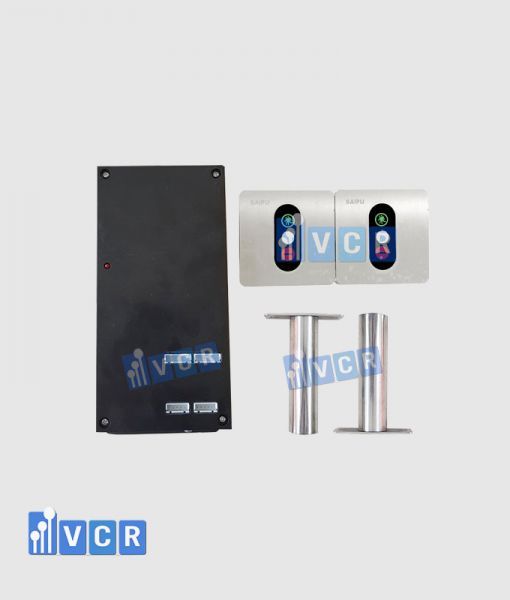
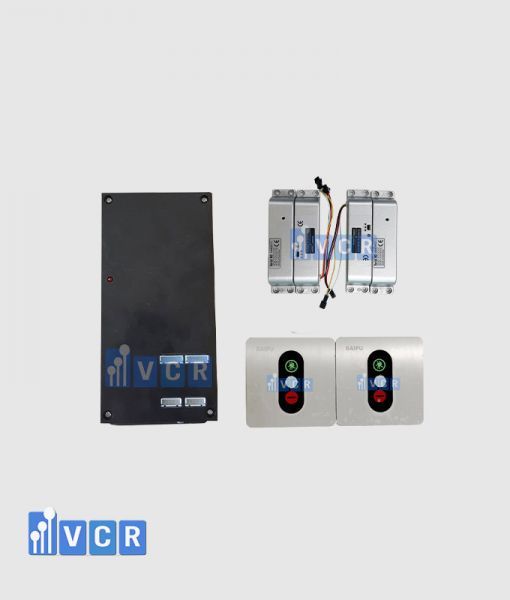
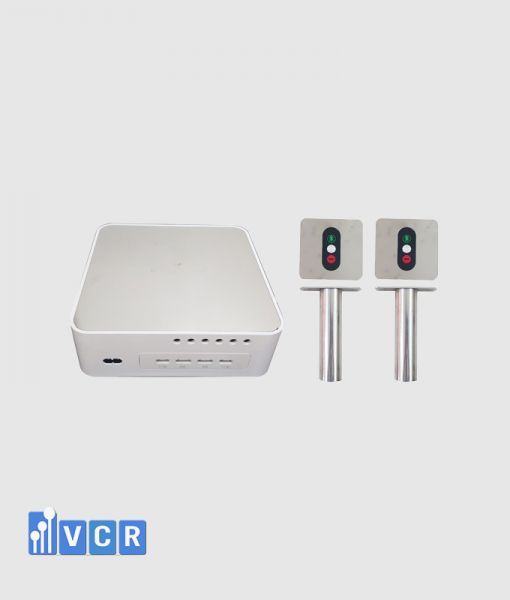
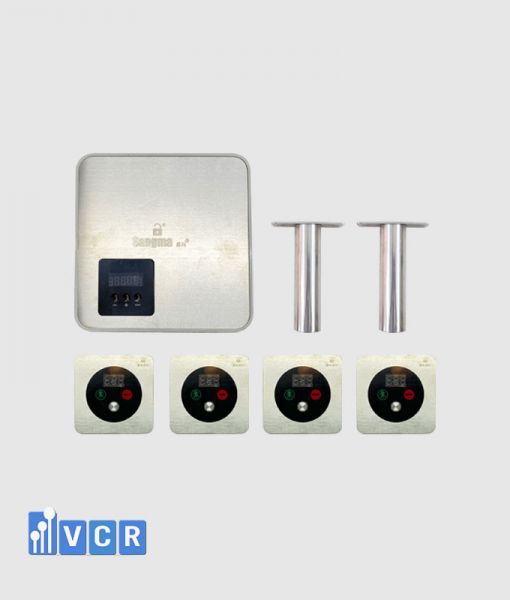
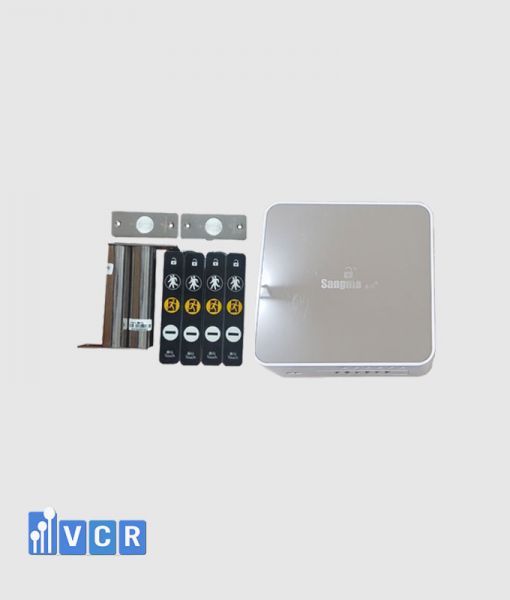
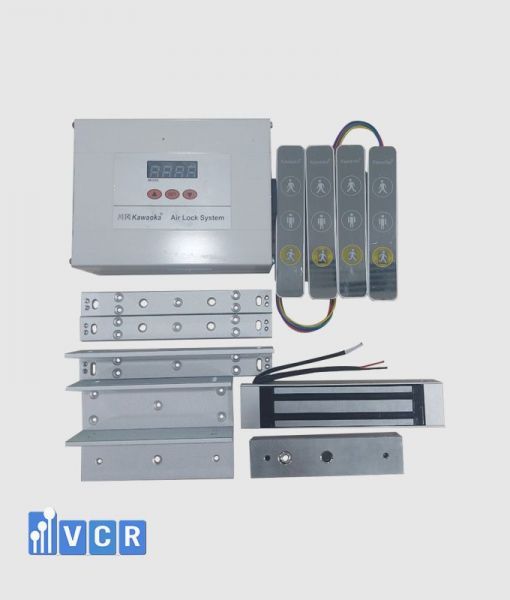
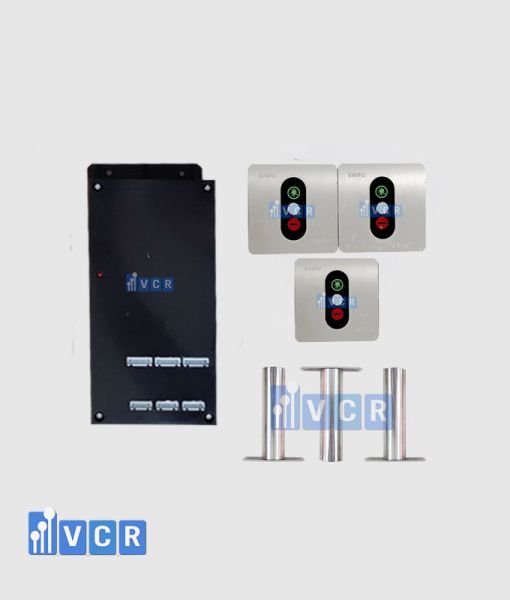
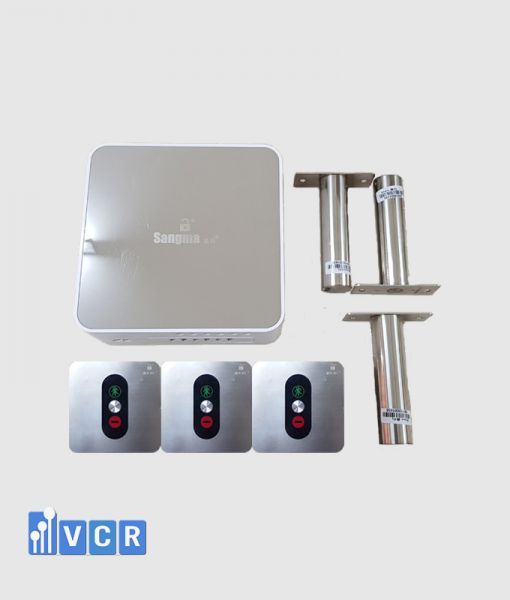
In real-world implementation, “VCR Cleanroom Equipment” has found that many cleanroom issues arise not from HVAC systems, but from misunderstanding or misusing interlock systems.
What is an interlock system in a cleanroom?
An interlock system is a control mechanism designed to ensure that two or more doors within a controlled area cannot be opened simultaneously. This function is critical for maintaining pressure differentials and preventing cross-contamination between zones of different cleanliness levels. Interlocks are commonly installed in airlocks, pass boxes, and transition areas. Technically, the system operates using electrical, mechanical, or programmable logic to control door status. When one door is opened, the system automatically locks the other door. This ensures airflow direction remains stable and the cleanroom environment is not disrupted. Interlock systems are a fundamental component of ISO- and GMP-compliant cleanroom design.
What is the purpose of an interlock system in cleanrooms?
The primary purpose of an interlock system is to control access between cleanroom zones while maintaining airflow direction and pressure differentials. When personnel or materials move between areas, the interlock ensures that only one door is open at a time, preventing air mixing between zones. This is crucial for avoiding contamination and maintaining environmental stability. Additionally, interlock systems reduce reliance on human discipline by automating door control, improving operational consistency and safety in cleanroom environments.
How does an interlock system work in practice?
Interlock systems operate by monitoring door status using sensors and controlling locks through electrical or mechanical signals. When one door is opened, a signal is sent to lock the other door(s), preventing simultaneous access. Only after the first door is fully closed will the system allow the second door to open. Advanced interlock systems can be integrated with PLC or BMS for real-time monitoring and control. This ensures airflow is maintained according to design and prevents disturbances that could compromise cleanroom conditions.
What is the role of interlock systems in contamination control?
Interlock systems play a critical role in preventing cross-contamination between areas with different cleanliness levels. By controlling door operation, they maintain pressure gradients and airflow direction, ensuring that contaminants do not migrate between zones. Without interlocks, simultaneous door opening can disrupt pressure balance and introduce contamination. Therefore, interlocks are not just auxiliary devices but essential elements of contamination control strategies in cleanrooms.
When should interlock systems be used in cleanrooms?
Interlock systems should be installed in areas where strict control of airflow and pressure is required, such as airlocks, gowning rooms, and material transfer zones. In GMP facilities, interlocks are often considered mandatory to ensure compliance. Proper placement is essential to maximize effectiveness and reduce contamination risks. Identifying critical transition points is key to successful implementation.
What types of interlock systems are used in cleanrooms?
Interlock systems can be categorized into mechanical, electrical, and electronic types. Mechanical interlocks rely on physical linkages, while electrical and electronic systems use signals to control door states. Electronic interlocks offer advanced features such as integration with monitoring systems and remote control. The choice depends on technical requirements and automation levels.
What is the difference between mechanical and electrical interlocks?
Mechanical interlocks operate using physical locking mechanisms and are simple but less flexible. Electrical interlocks use control signals to manage door operation, allowing integration with other systems. Electronic interlocks offer even greater flexibility with programmable features and monitoring capabilities. The choice depends on operational needs and system complexity.
Are interlock systems mandatory under GMP standards?
While GMP guidelines may not explicitly mention interlocks, they are widely used to meet contamination control and pressure management requirements. Many auditors consider them essential for compliance. Improper or missing interlocks may lead to non-compliance findings.
Do interlock systems affect cleanroom pressure differentials?
Yes, interlock systems help maintain pressure differentials by preventing simultaneous door openings. This ensures airflow direction is preserved and contamination risks are minimized. Proper interlock function is critical for stable cleanroom operation.
Are interlock systems used in pass boxes?
Yes, interlocks are essential in pass boxes to ensure that both doors cannot be opened at the same time. This prevents contamination transfer and maintains environmental control. Interlocks are a standard feature in pass box design.
Are interlock systems used in air showers?
Yes, air showers use interlocks to control entry and exit doors, ensuring proper decontamination cycles. This prevents contamination from entering clean areas and improves system effectiveness. Interlocks enhance operational control in air showers.
Can interlock systems be integrated with other systems?
Yes, interlocks can be integrated with BMS, PLC, or environmental monitoring systems. This allows centralized control, real-time monitoring, and improved system management. Integration enhances efficiency and audit readiness.
Do interlock systems require power supply?
Electrical and electronic interlocks require power to operate, while mechanical interlocks do not. The choice depends on system requirements and reliability considerations. Power supply stability is important for electronic systems.
Can interlock systems fail during operation?
Yes, interlock systems can fail due to poor maintenance, incorrect installation, or component wear. Common failures include doors not locking or unlocking properly. Regular inspection reduces these risks.
Do interlock systems require periodic maintenance?
Yes, regular maintenance ensures reliable operation and prevents mechanical or electrical failures. Maintenance includes inspection, cleaning, and functional testing. Proper maintenance extends system lifespan.
Are SOPs required for interlock operation?
Yes, SOPs standardize interlock operation and ensure consistent use. They help reduce errors and support GMP compliance. Clear procedures improve operational reliability.
Is periodic inspection required for interlocks?
Yes, routine inspection helps detect early issues and ensures proper function. Regular checks are essential for maintaining compliance and system integrity.
Can improper use of interlocks cause operational issues?
Yes, misuse can disrupt workflow and affect airflow control. Proper training and SOP adherence minimize such risks. Correct usage ensures system effectiveness.
Is operator training required for interlock systems?
Yes, training ensures personnel understand proper use and troubleshooting procedures. Well-trained staff reduce operational errors and improve system performance.
How can interlock systems be used effectively in cleanrooms?
Effective use requires proper installation, adherence to SOPs, regular inspection, and operator training. These factors ensure stable operation and compliance with cleanroom standards. A well-managed interlock system enhances overall environmental control.
Duong VCR