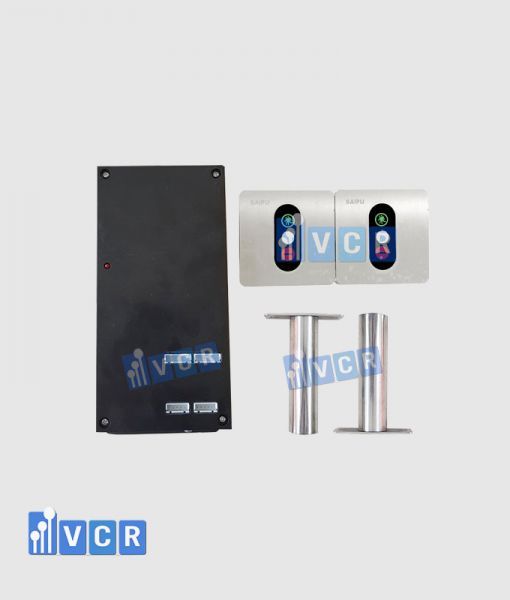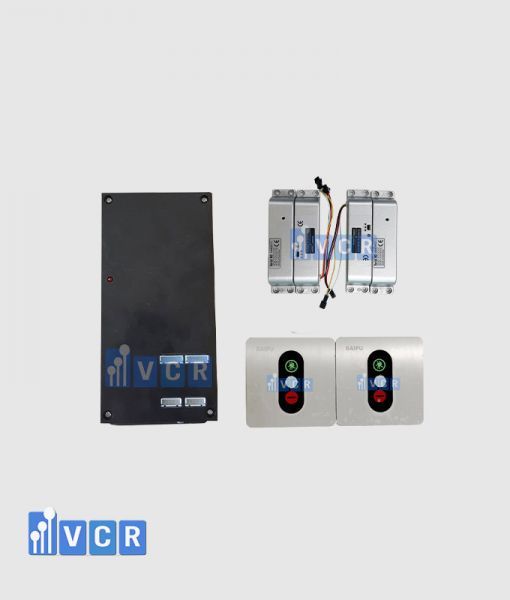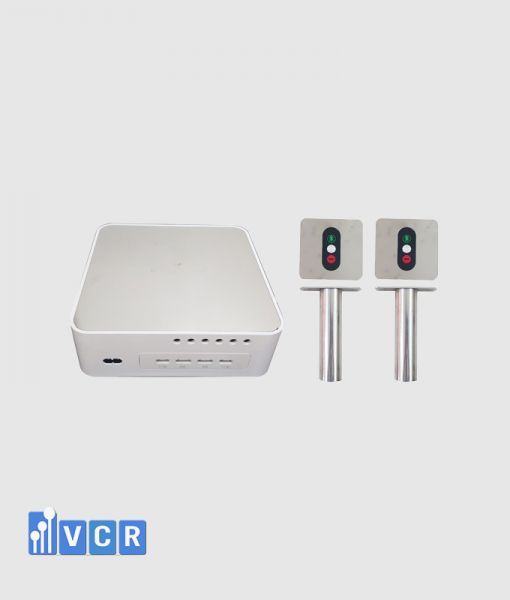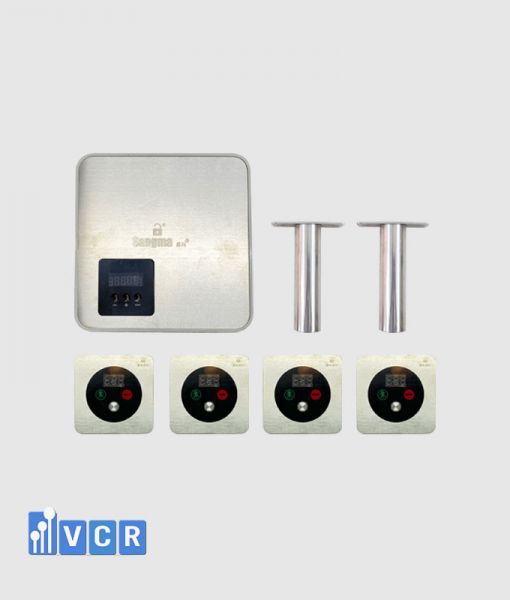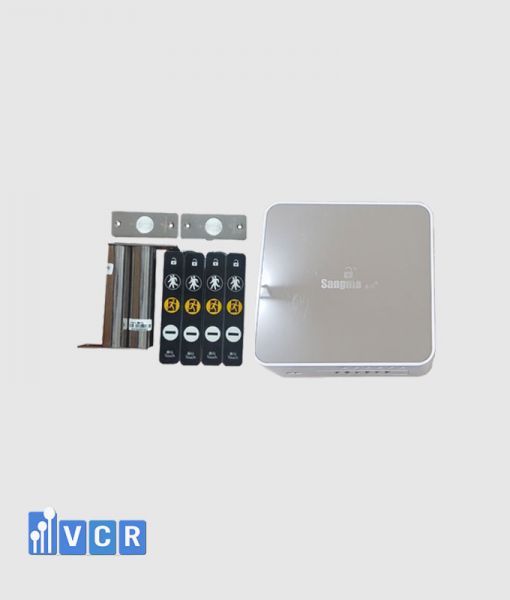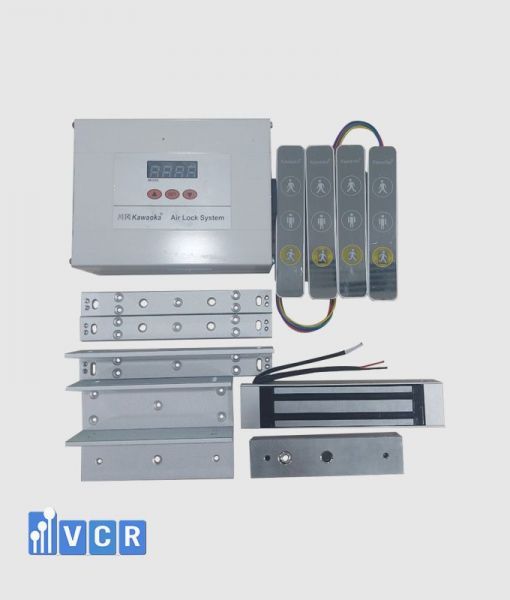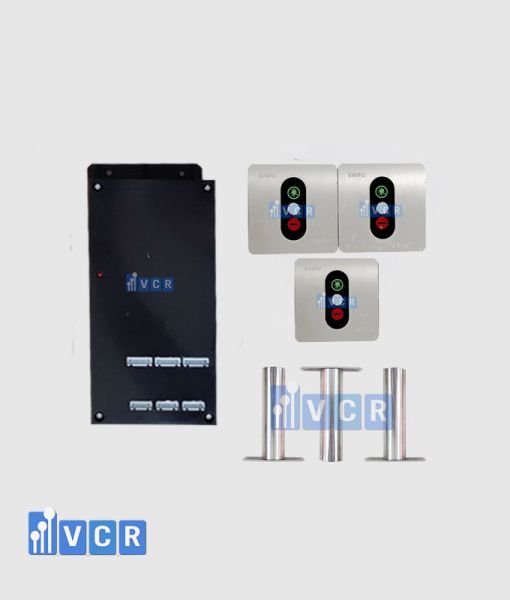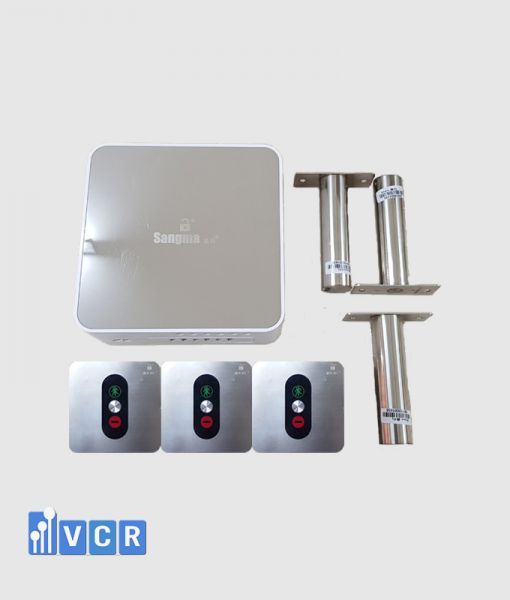


Interlock systems are widely used in cleanrooms to control door operation, maintain pressure differentials, and prevent cross-contamination. They are essential for ISO and GMP compliance.
- How are interlock systems used in the pharmaceutical industry?
- How are interlocks applied in electronics manufacturing?
- Are interlock systems used in laboratories?
- How are interlocks used in sterile areas?
- Are interlocks required in airlocks?
- Are interlocks used in pass boxes?
- Are interlocks used in air showers?
- Are interlocks used in food cleanrooms?
- Are interlocks used in cosmetic manufacturing?
- Are interlocks used in healthcare facilities?
- Are interlocks used in advanced electronics cleanrooms?
- Can interlocks be used in packaging areas?
- Are interlocks used in cleanroom storage areas?
- Are interlocks used in vaccine production?
- Are interlocks used in microbiology laboratories?
- Can interlocks control multiple doors?
- Can interlocks integrate with access control systems?
- Are interlocks used in semiconductor cleanrooms?
- Can interlocks be integrated into automation systems?
- How can interlock applications be optimized in cleanrooms?
In practical implementation, “VCR Cleanroom Equipment” has found that interlocks are not just auxiliary devices but core components that determine environmental control effectiveness across multiple industries.
How are interlock systems used in the pharmaceutical industry?
In pharmaceutical facilities, interlock systems are installed in airlocks, gowning rooms, weighing areas, and production zones to control personnel and material movement between different cleanliness levels. The system ensures that only one door can be opened at a time, maintaining pressure differentials and preventing cross-contamination. This is especially critical in sterile manufacturing, where even minor environmental deviations can compromise product quality. Interlocks also reduce reliance on operator behavior and improve process consistency. As a result, they play a key role in supporting GMP compliance and ensuring stable cleanroom operation.
How are interlocks applied in electronics manufacturing?
In electronics manufacturing, interlocks are used to control airborne particles and maintain stable cleanroom conditions for sensitive components. Areas such as SMT lines, assembly rooms, and inspection zones require strict contamination control. Interlocks prevent simultaneous door openings, preserving pressure balance and airflow direction. This minimizes dust intrusion and protects delicate components. Additionally, interlocks reduce human error and enhance automation, contributing to higher product quality and reliability.
Are interlock systems used in laboratories?
Yes, interlocks are widely used in laboratories, especially in biological, chemical, and microbiological labs where contamination control is critical. They regulate movement between zones with different risk levels and ensure that doors are not opened simultaneously. This maintains pressure differentials and prevents contamination spread. In high-risk labs, interlocks enhance safety for personnel and ensure experimental integrity. Their use is essential for maintaining controlled environments and regulatory compliance.
How are interlocks used in sterile areas?
In sterile environments, interlocks play a critical role in maintaining strict environmental control. They ensure unidirectional airflow is not disrupted and prevent uncontrolled air exchange between zones. Simultaneous door opening can break pressure balance and introduce microorganisms into sterile areas, posing significant risks. Therefore, interlocks are considered mandatory in sterile manufacturing systems to ensure product safety and compliance.
Are interlocks required in airlocks?
Yes, interlocks are essential in airlocks, which serve as transition zones between environments. They ensure that only one door opens at a time, maintaining pressure differentials and preventing uncontrolled air exchange. Without interlocks, airlocks cannot function effectively as contamination barriers. They are a fundamental requirement in cleanroom design.
Are interlocks used in pass boxes?
Yes, interlocks are mandatory in pass boxes to prevent both doors from opening simultaneously during material transfer. This ensures contamination control between areas and maintains environmental stability. Without interlocks, pass boxes would compromise cleanroom integrity.
Are interlocks used in air showers?
Yes, interlocks are used in air showers to control entry and exit doors. They ensure that doors remain closed during the air shower cycle, allowing proper decontamination. This improves cleaning efficiency and prevents contamination transfer.
Are interlocks used in food cleanrooms?
In food processing cleanrooms, interlocks help maintain hygiene and prevent cross-contamination between processing areas. They support food safety compliance and ensure environmental control throughout production.
Are interlocks used in cosmetic manufacturing?
In cosmetic production, interlocks maintain controlled environments and prevent contamination during manufacturing. They help ensure product quality and regulatory compliance by maintaining pressure and airflow control.
Are interlocks used in healthcare facilities?
In hospitals, especially operating rooms and isolation wards, interlocks control airflow and prevent infection spread. They help maintain pressure conditions and protect both patients and staff. Interlocks enhance infection control effectiveness in medical environments.
Are interlocks used in advanced electronics cleanrooms?
In advanced electronics cleanrooms such as semiconductor manufacturing, interlocks maintain ultra-clean environments with extremely low particle levels. They ensure stable airflow and prevent contamination, improving yield and product quality.
Can interlocks be used in packaging areas?
In packaging areas, interlocks help maintain environmental control and prevent contamination between production and packaging zones. This is especially important in regulated industries such as pharmaceuticals and food.
Are interlocks used in cleanroom storage areas?
In cleanroom warehouses, interlocks control movement and maintain environmental conditions. They prevent unfiltered air from entering storage areas, protecting product integrity.
Are interlocks used in vaccine production?
In vaccine manufacturing, interlocks are essential for maintaining sterile conditions and biosafety. They ensure strict contamination control and compliance with regulatory standards.
Are interlocks used in microbiology laboratories?
In microbiology labs, interlocks control airflow and prevent cross-contamination between zones. This ensures personnel safety and reliable experimental results.
Can interlocks control multiple doors?
Yes, interlock systems can be designed to control multiple doors simultaneously, especially in complex cleanroom layouts. Multi-door systems improve contamination control and operational efficiency.
Can interlocks integrate with access control systems?
Yes, interlocks can be integrated with access control systems to enhance security and movement control. This allows better management of personnel and material flow.
Are interlocks used in semiconductor cleanrooms?
Yes, interlocks are critical in semiconductor cleanrooms to maintain ultra-clean conditions. They prevent contamination and support high-precision manufacturing processes.
Can interlocks be integrated into automation systems?
Yes, interlocks can be integrated into automation systems for centralized control and monitoring. This improves operational efficiency and reduces manual intervention.
How can interlock applications be optimized in cleanrooms?
Effective application requires proper selection, correct installation, SOP compliance, and regular inspection. Training personnel and integrating with control systems further enhances performance. A well-implemented interlock system ensures stable operation and regulatory compliance.
Duong VCR