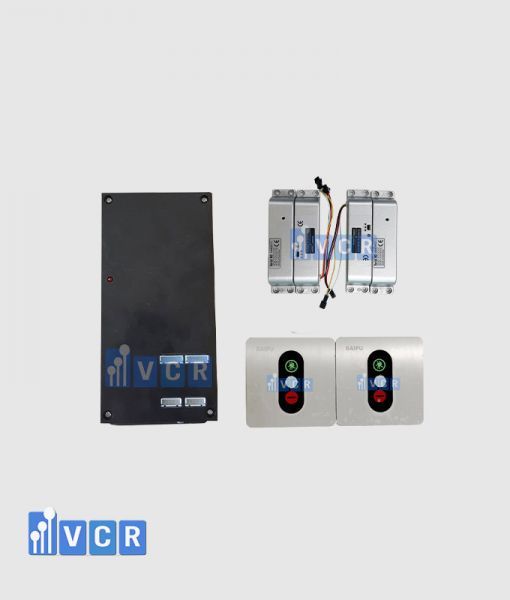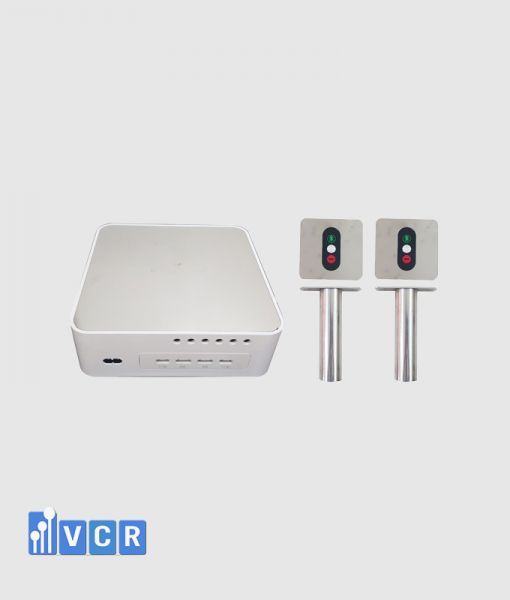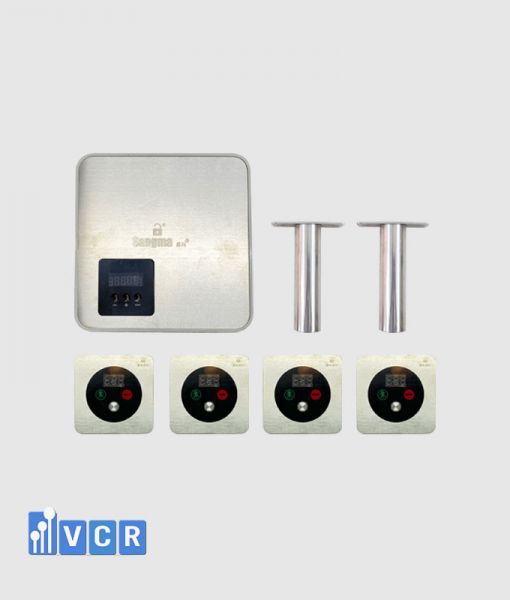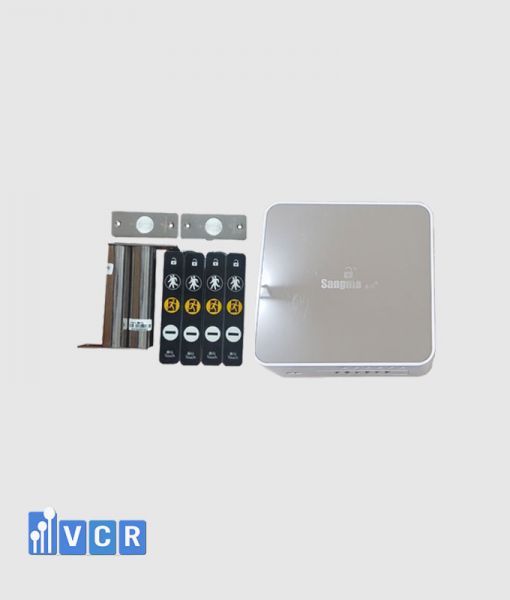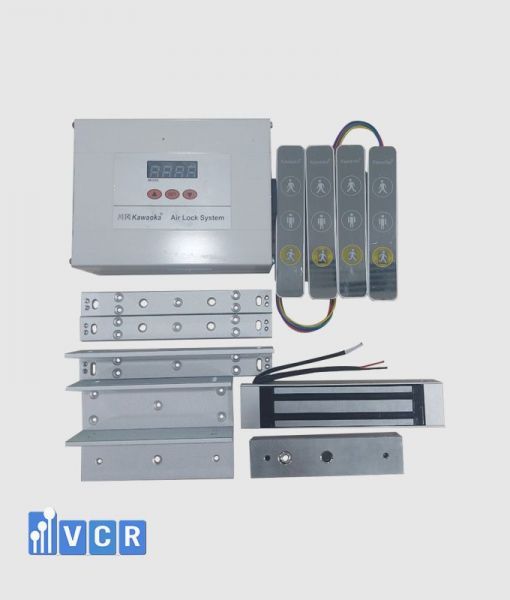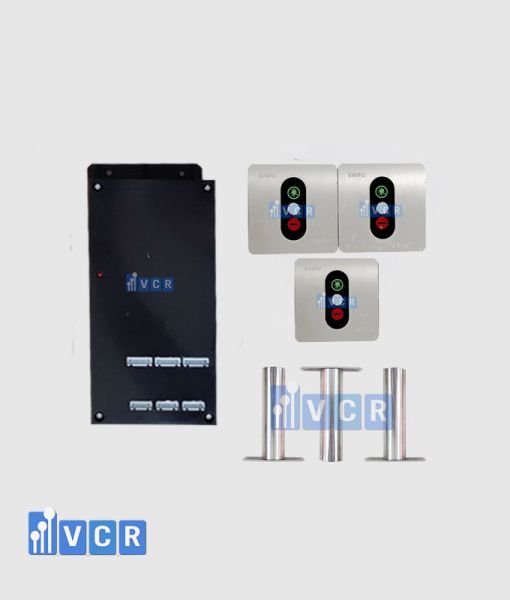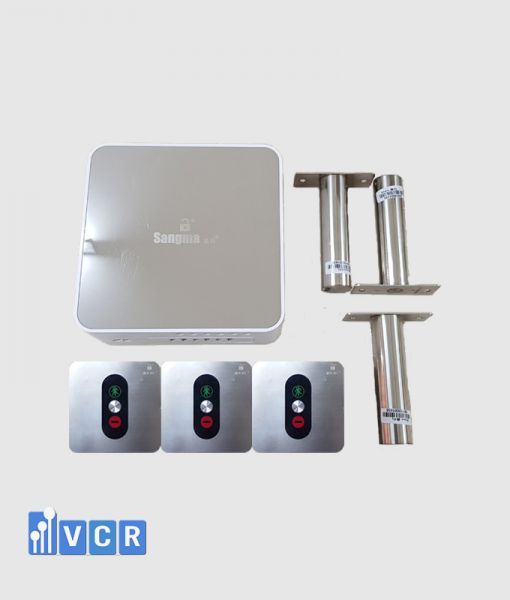

Selecting and configuring the right interlock system ensures pressure control, contamination prevention, and GMP compliance. Proper decisions from the start reduce long-term risks and costs.
- How should an interlock system be selected for a cleanroom?
- Should mechanical or electrical interlocks be used in cleanrooms?
- Should electromagnetic or mechanical locks be selected?
- How many doors should an interlock system control?
- What materials should be used for interlocks in GMP environments?
- When is a higher-level interlock configuration required?
- Which interlock is suitable for Grade B cleanrooms?
- Should interlocks be integrated with BMS?
- Should interlocks include status alarms?
- Is backup power necessary for interlocks?
- Should interlocks support remote control?
- Are anti-interference features necessary?
- Should interlocks comply with ISO and GMP standards?
- Should interlocks be easy to maintain?
- Is it important to choose a reputable supplier?
- Should interlocks be selected based on specific applications?
- Should interlocks include emergency override functions?
- Should interlocks allow customizable logic?
- Is durability important when selecting interlocks?
- How can interlock configuration be optimized in cleanrooms?
In practice, “VCR Cleanroom Equipment” has found that choosing an interlock is not just selecting a device, but defining a critical part of the overall environmental control system.
How should an interlock system be selected for a cleanroom?
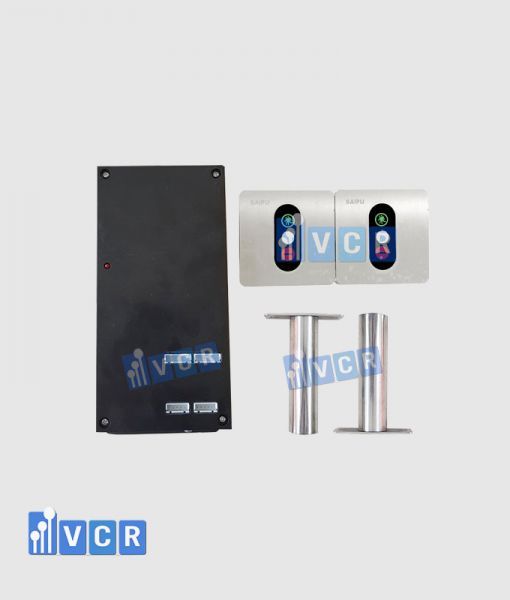
Selecting the right interlock requires evaluating the cleanroom as a whole, including cleanliness class, pressure differentials, airflow direction, and door usage frequency. For high-control environments such as GMP or sterile production, electrical or electronic interlocks are recommended due to their precise logic and monitoring capabilities. Integration with BMS or PLC should also be considered to enhance control and data traceability. Choosing the correct system from the beginning helps avoid redesign costs, ensures stable operation, and supports long-term compliance with regulatory requirements.
Should mechanical or electrical interlocks be used in cleanrooms?
The choice between mechanical and electrical interlocks depends on system complexity and operational requirements. Mechanical interlocks are simple, reliable, and suitable for low-complexity applications, especially where power independence is preferred. However, electrical or electronic interlocks offer greater flexibility, enabling integration with monitoring systems and automated control. In GMP environments or high-grade cleanrooms, electrical interlocks are generally preferred due to their precision and ability to meet audit expectations.
Should electromagnetic or mechanical locks be selected?
Electromagnetic locks are widely used in modern cleanrooms due to their flexibility, reliability, and compatibility with control systems. They allow precise door control and integration with automation platforms. Mechanical locks, while simpler, lack flexibility and integration capability. The choice depends on operational requirements, automation level, and compliance needs. In GMP environments, electromagnetic locks are typically preferred for their superior control performance.
How many doors should an interlock system control?
The number of doors depends on cleanroom layout and movement flow. Basic airlocks usually require two-door interlocks, which are sufficient for most applications. However, complex systems may require three or more doors to manage multiple transitions. Multi-door systems require more advanced logic design to avoid operational conflicts. Proper configuration ensures efficient movement control and reduces contamination risks.
What materials should be used for interlocks in GMP environments?
Materials must be corrosion-resistant, easy to clean, and non-particle shedding. Stainless steel, particularly grades 304 or 316, is commonly used due to its durability and cleanability. Materials should also be compatible with cleaning agents and environmental conditions. Proper material selection ensures long service life and compliance with contamination control requirements.
When is a higher-level interlock configuration required?
Advanced configurations are needed in systems with strict contamination control requirements, such as sterile production or high-grade cleanrooms. These systems often require programmable interlocks integrated with BMS for real-time monitoring and control. Complex workflows or multiple-door configurations also demand higher-level solutions. Investing in advanced systems improves reliability and reduces operational risks.
Which interlock is suitable for Grade B cleanrooms?
Grade B cleanrooms require highly reliable electronic interlocks with precise control logic. The system must prevent simultaneous door opening under all conditions. Integration with monitoring systems is recommended for real-time tracking and audit support. Selecting appropriate interlocks ensures GMP compliance and stable environmental control.
Should interlocks be integrated with BMS?
Integration with BMS allows real-time monitoring, data logging, and centralized control. This improves system visibility, supports maintenance, and enhances audit readiness. In large or GMP facilities, BMS integration is strongly recommended.
Should interlocks include status alarms?
Interlocks with visual or audible alarms help operators understand door status quickly and reduce operational errors. This improves safety and efficiency, especially in complex environments.
Is backup power necessary for interlocks?
Backup power ensures interlocks continue functioning during power failures, preventing operational disruption. This is particularly important in GMP environments requiring continuous control.
Should interlocks support remote control?
Remote control capabilities enable flexible system management and monitoring, especially in large facilities. This reduces manual intervention and improves operational efficiency.
Are anti-interference features necessary?
Electrical interference in industrial environments can affect interlock performance. Systems should include anti-interference design to ensure stable and reliable operation.
Should interlocks comply with ISO and GMP standards?
Yes, selecting interlocks that meet ISO and GMP requirements ensures compliance and reduces audit risks. This also improves system reliability and performance.
Should interlocks be easy to maintain?
Maintenance-friendly designs reduce downtime and operational costs. Easy access and serviceability are important considerations in system selection.
Is it important to choose a reputable supplier?
A reliable supplier ensures product quality, technical support, and after-sales service. This contributes to stable system performance and long-term reliability.
Should interlocks be selected based on specific applications?
Yes, each application has unique requirements for airflow, pressure, and operation. Tailored selection ensures optimal performance and avoids unnecessary costs.
Should interlocks include emergency override functions?
Emergency override functions ensure operator safety in critical situations. However, they must be carefully designed to avoid compromising cleanroom conditions.
Should interlocks allow customizable logic?
Programmable logic enables interlocks to adapt to complex systems and evolving operational needs. This improves flexibility and long-term usability.
Is durability important when selecting interlocks?
High durability ensures long-term operation and reduces replacement costs. This is especially important in industrial environments with continuous use.
How can interlock configuration be optimized in cleanrooms?
Optimization requires analyzing airflow, pressure, and operational workflows. Proper equipment selection, system integration, and thorough testing are essential. Training personnel and implementing regular maintenance further enhance performance. A well-configured interlock system ensures stable operation and long-term compliance with ISO and GMP standards.
Duong VCR