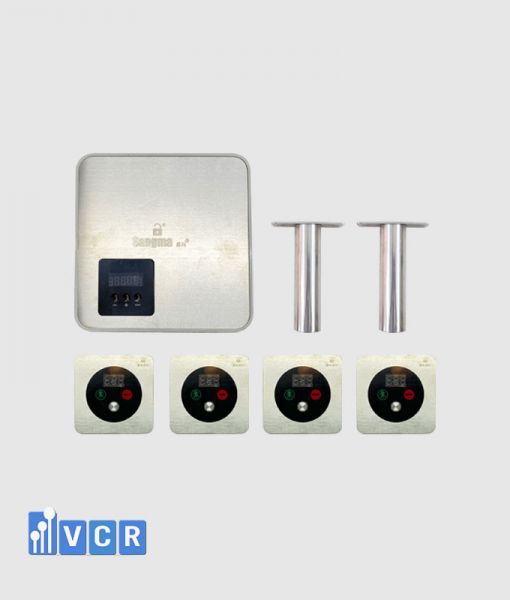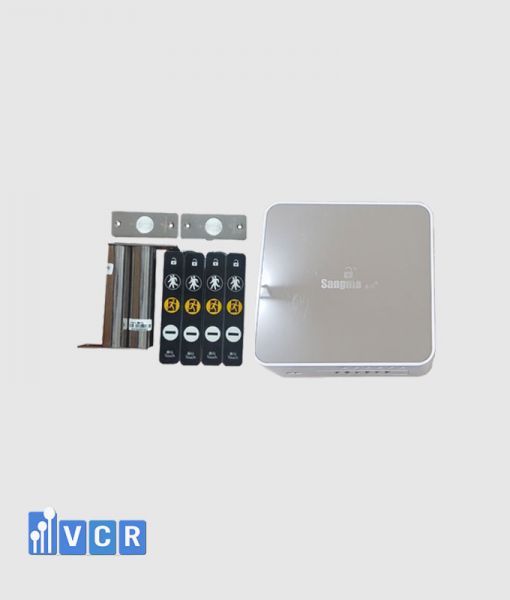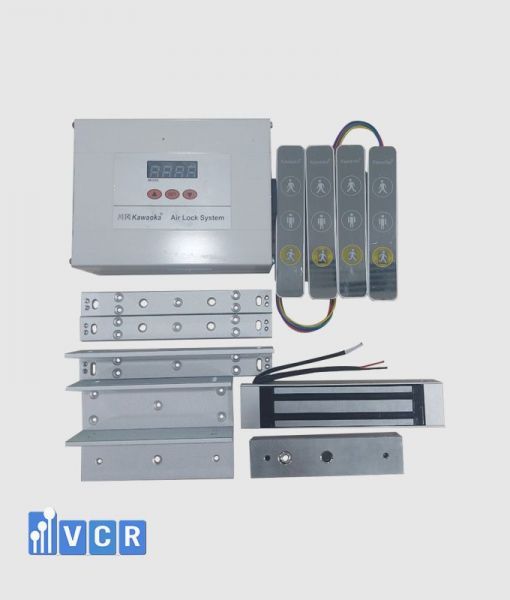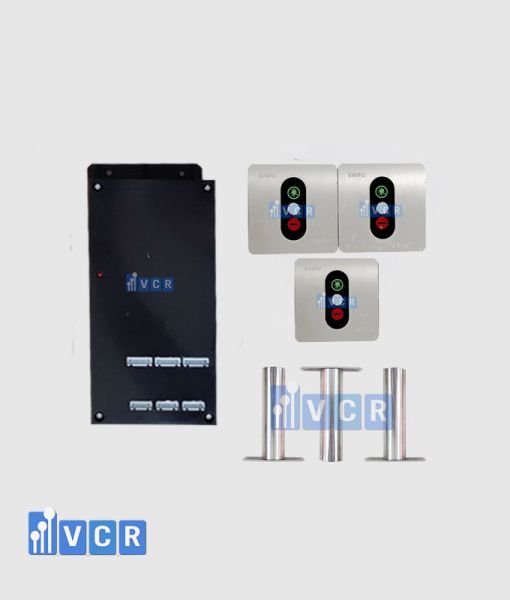

Interlock design and structure directly determine door control performance and pressure stability in cleanrooms. Understanding the system ensures compliance with ISO and GMP standards.
- What are the basic components of an interlock system in cleanrooms?
- What types of interlock designs are used in cleanrooms?
- How is the working principle of an interlock system designed?
- What are the most critical components in an interlock system?
- How many doors can an interlock system control?
- Can interlock systems be integrated with other systems?
- What type of locking mechanism is used in interlocks?
- Are door sensors required in interlock design?
- How does the interlock control unit function?
- Do interlock systems require power supply?
- Can interlocks operate independently?
- Do interlocks need project-specific design?
- Must interlock design comply with standards?
- Can interlocks include alarm features?
- Can interlocks be remotely controlled?
- Is anti-interference design necessary for interlocks?
- Do interlocks require backup systems?
- Can interlocks include emergency override functions?
- Can interlock logic be customized?
- How can an effective interlock design be achieved?
In real-world implementation, “VCR Cleanroom Equipment” has found that interlock effectiveness depends not on the device alone, but on how the system logic and structure are designed from the beginning.
What are the basic components of an interlock system in cleanrooms?
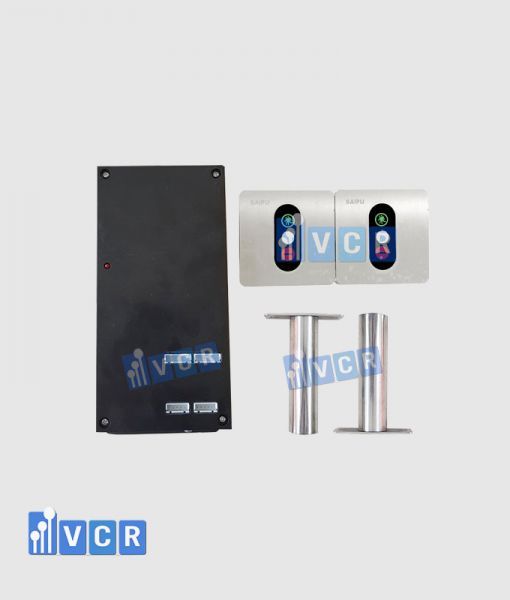
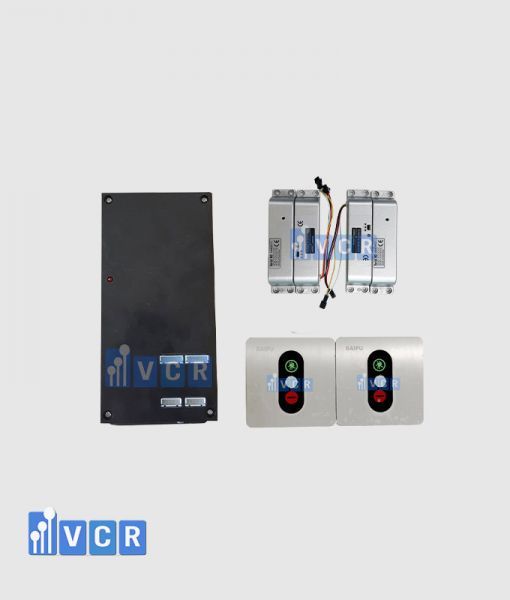
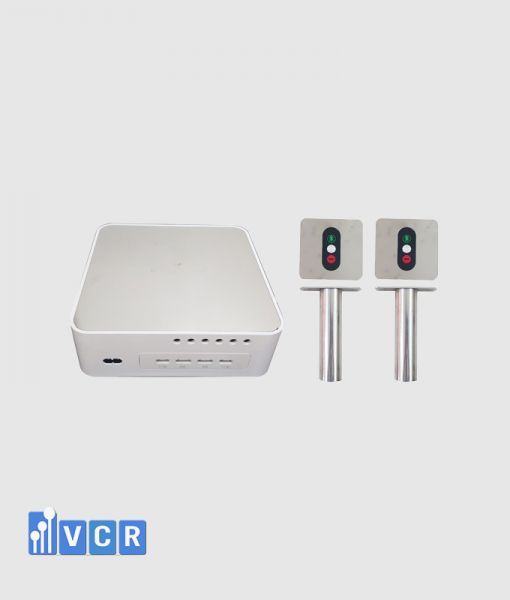
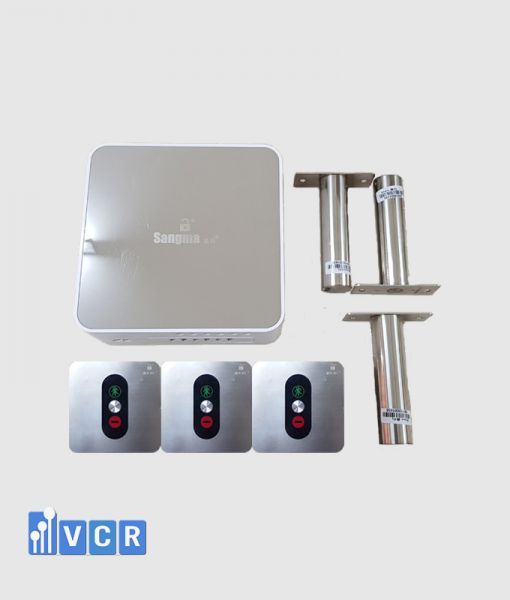
A typical interlock system consists of electromagnetic locks, a central control unit, door status sensors, and a power supply system. The electromagnetic lock ensures that doors remain closed when not permitted to open, while sensors detect whether a door is open or closed. The control unit processes signals from sensors and executes locking or unlocking commands based on predefined logic. Additional elements such as push buttons, indicator lights, and alarm signals may also be included. The coordinated operation of these components ensures stable door control and effective airflow management in cleanroom environments.
What types of interlock designs are used in cleanrooms?
Interlock systems can be designed as mechanical, electrical, or electronic systems depending on automation level and control requirements. Mechanical interlocks use physical mechanisms and are suitable for simple applications. Electrical and electronic interlocks rely on control signals and allow integration with systems such as BMS or PLC. Advanced electronic designs support programming and real-time monitoring. The appropriate design depends on cleanroom scale, compliance requirements, and operational complexity.
How is the working principle of an interlock system designed?
The interlock system is designed based on a logic that ensures only one door can be opened at a time. When one door opens, sensors send signals to the control unit to lock other doors. Only after the first door is fully closed will the system allow another door to open. This design maintains pressure differentials and airflow direction as required. Although simple in concept, the system requires precise configuration to ensure reliable operation.
What are the most critical components in an interlock system?
The most critical components include electromagnetic locks, door sensors, and the central control unit. The lock prevents unauthorized opening, sensors provide accurate door status feedback, and the controller manages system logic. In addition, stable power supply and reliable wiring are essential. The proper coordination of these elements determines overall system performance and reliability.
How many doors can an interlock system control?
Interlock systems can be designed for two doors or multiple doors depending on system requirements. Multi-door interlocks are used in complex layouts to manage movement between several zones. However, such designs require more advanced control logic to avoid conflicts. Careful planning ensures efficient operation.
Can interlock systems be integrated with other systems?
Yes, interlocks can be integrated with BMS, PLC, access control, or environmental monitoring systems. Integration enhances control capability and enables real-time monitoring. This is especially beneficial in GMP environments where traceability and system visibility are critical.
What type of locking mechanism is used in interlocks?
Interlocks typically use electromagnetic or mechanical locks depending on system requirements. Electromagnetic locks are more common due to their flexibility and integration capability. Proper selection ensures system reliability and safety.
Are door sensors required in interlock design?
Yes, door sensors are essential for detecting door status and ensuring correct system logic. Without sensors, the interlock cannot function accurately. Reliable sensing is critical for safe operation.
How does the interlock control unit function?
The control unit acts as the system’s brain, processing signals and managing door locking logic. It ensures that doors operate according to predefined rules. A well-designed controller ensures stable and accurate operation.
Do interlock systems require power supply?
Electrical and electronic interlocks require a stable power supply to function properly. Design must include backup solutions to prevent system failure. Reliable power ensures continuous operation.
Can interlocks operate independently?
Interlocks can be designed as standalone systems or integrated into larger control systems. Standalone systems suit smaller applications, while integrated systems provide better control and monitoring.
Do interlocks need project-specific design?
Each cleanroom has unique airflow, pressure, and operational requirements. Therefore, interlocks must be customized for each project. Proper design ensures optimal performance.
Must interlock design comply with standards?
Yes, interlock systems should comply with standards such as ISO 14644 and GMP to ensure effective contamination control. Compliance supports audit readiness and system reliability.
Can interlocks include alarm features?
Yes, interlocks can be designed with visual or audible alarms to indicate door status or errors. This enhances operational awareness and reduces mistakes.
Can interlocks be remotely controlled?
Advanced interlock systems can be remotely controlled via BMS or PLC. This allows centralized management and improved system efficiency.
Is anti-interference design necessary for interlocks?
In industrial environments, electrical interference can affect system performance. Therefore, interlocks should be designed with anti-interference measures to ensure stability.
Do interlocks require backup systems?
Backup systems are important to maintain safety during power failures. Proper design ensures system continuity and reliability.
Can interlocks include emergency override functions?
Yes, emergency override functions can be integrated to ensure safety in critical situations. However, they must be controlled to avoid compromising cleanroom conditions.
Can interlock logic be customized?
Modern interlock systems allow programmable logic to match specific operational requirements. This flexibility improves usability and system effectiveness.
How can an effective interlock design be achieved?
Effective design requires understanding airflow patterns, pressure requirements, and operational workflows. Proper component selection and thorough testing are essential. A well-designed system ensures long-term reliability and compliance.
Duong VCR