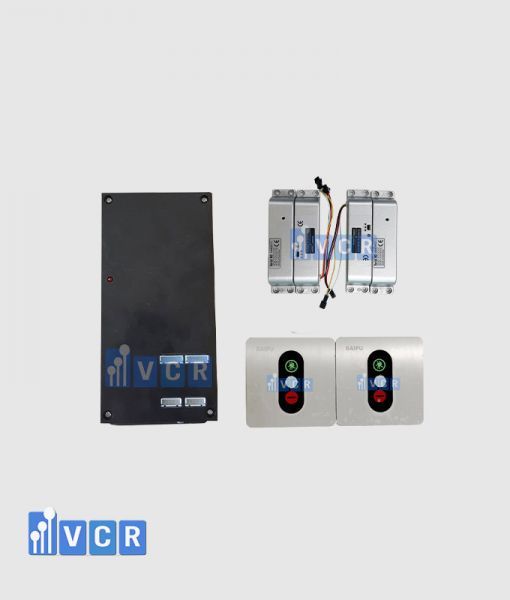
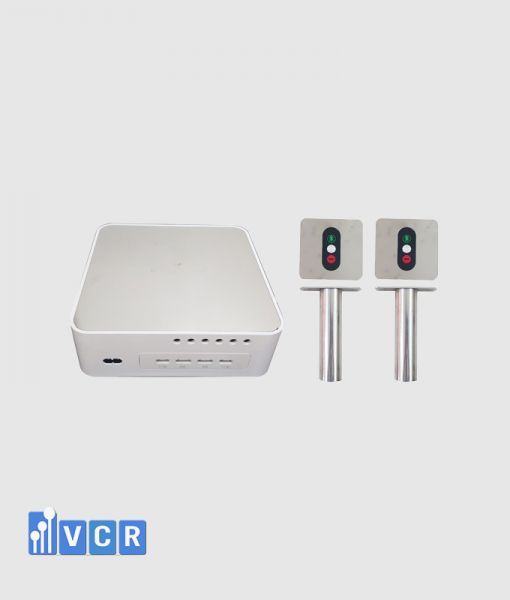
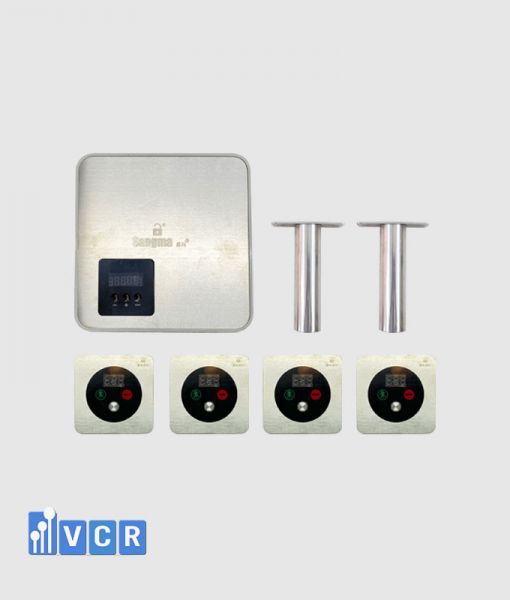
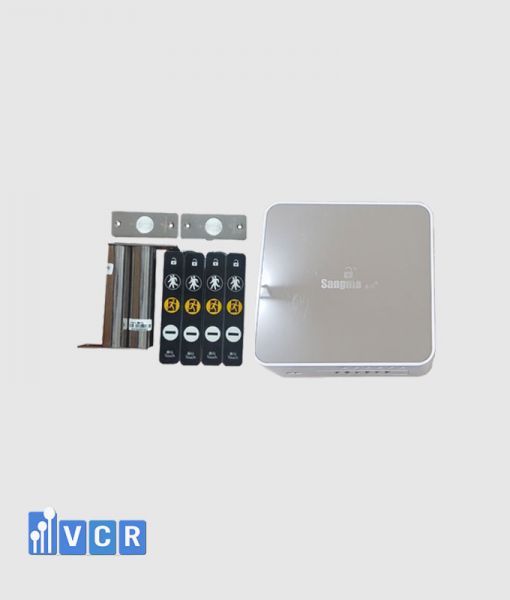
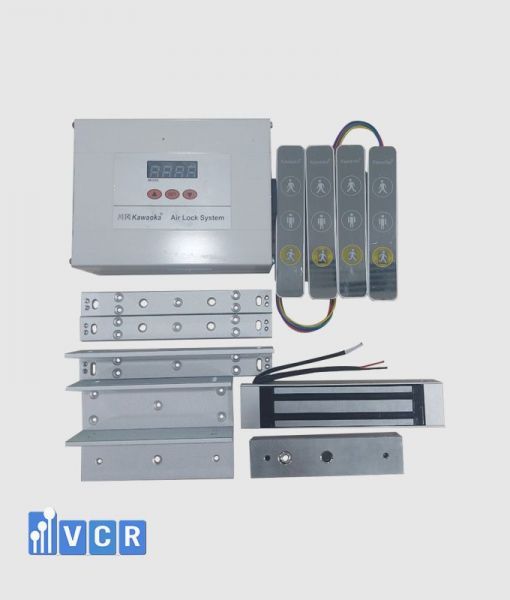
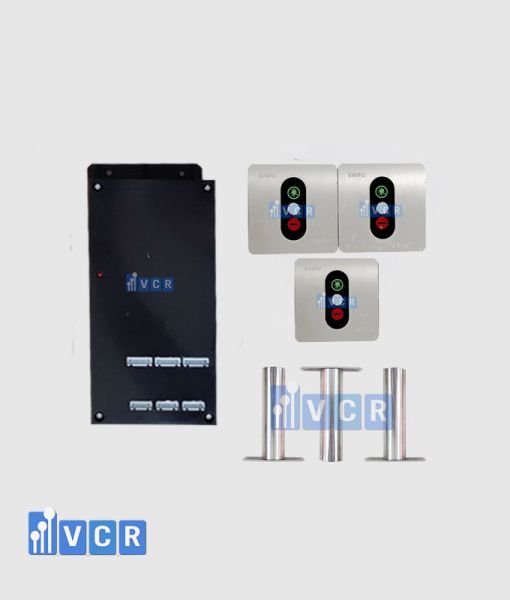
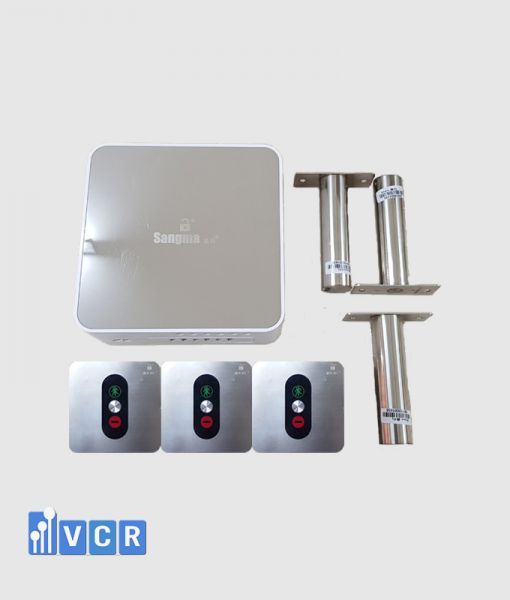
In real implementation, “VCR Cleanroom Equipment” has found that many unstable interlock systems are not caused by equipment issues, but by incorrect installation and initial configuration.
What are the steps for installing an interlock system in a cleanroom?
The installation process begins with a site survey to identify door positions, movement flow, and pressure requirements between areas. Mechanical installation follows, including electromagnetic locks, door sensors, and mounting components according to design drawings. Next, electrical wiring and controller configuration are completed to establish proper door logic. After installation, each component must be tested, followed by full system commissioning to verify functionality. Finally, acceptance and documentation are completed for operation and audit purposes. A structured process ensures system stability and compliance with cleanroom standards.
Where should interlocks be installed in cleanrooms?
Interlocks should be installed at doors between areas with different pressure levels or cleanliness classifications, such as airlocks, gowning rooms, and material transfer zones. Correct positioning ensures effective airflow control and contamination prevention. Installing interlocks in unnecessary locations can increase costs and system complexity. Therefore, installation points should be determined during the design phase and verified before implementation.
How should spacing between interlocked doors be determined?
There is no fixed standard distance, as spacing depends on cleanroom layout and operational flow. However, sufficient distance must be maintained to prevent simultaneous door opening and airflow disruption. The design should also consider user convenience and avoid congestion. Proper spacing ensures effective control and smooth operation.
Is it mandatory to follow design drawings during installation?
Yes, installation must strictly follow approved design drawings to ensure correct system logic and performance. These drawings are based on airflow, pressure, and operational requirements. Any deviation must be reviewed and approved. Failure to follow design specifications can lead to malfunction and non-compliance with GMP standards.
What are common mistakes during interlock installation?
Common mistakes include incorrect positioning, improper wiring, misaligned sensors, and incorrect logic configuration. Inadequate testing after installation is also a frequent issue. These errors can result in doors failing to lock properly or opening simultaneously, compromising cleanroom integrity. Identifying and avoiding these mistakes ensures reliable system performance.
Is logic verification required after installation?
Yes, logic verification is essential to ensure doors operate in the correct sequence. This step confirms that simultaneous door opening is prevented. Without verification, system errors may remain undetected.
Does interlock installation require electrical wiring?
Yes, electrical interlocks require proper wiring according to system design. Incorrect wiring can lead to malfunction or equipment damage. Accurate installation ensures reliability.
Should interlocks be connected to BMS?
In large or GMP facilities, connecting interlocks to BMS allows real-time monitoring and data logging. This improves system control and audit readiness. Smaller systems may not require integration.
Is sensor testing required after installation?
Yes, door sensors must be tested to ensure accurate status detection. Faulty sensors can cause incorrect system operation. Proper testing ensures reliability.
Should electromagnetic locks be tested?
Yes, electromagnetic locks must be tested to confirm sufficient holding force and stable operation. Malfunctioning locks can compromise system performance.
Is power supply verification required?
Yes, a stable power supply is essential for reliable operation. Voltage issues can cause system failure or instability. Verification prevents unexpected problems.
Should door airtightness be checked?
Yes, airtightness affects pressure control and contamination prevention. Seals and gaps must be inspected to ensure proper performance. This is critical for cleanroom integrity.
Should pressure differentials be tested after installation?
Yes, pressure testing confirms that the system operates according to design requirements. Adjustments may be needed to achieve proper balance. This ensures effective environmental control.
Is system commissioning required?
Yes, commissioning verifies full system functionality under real operating conditions. It identifies issues before official operation. This step is essential for reliability.
Is technical documentation required after installation?
Yes, documentation such as drawings, wiring diagrams, and test reports is essential for operation, maintenance, and audits. Missing documentation can cause compliance issues.
Are SOPs required for installation and operation?
Yes, SOPs standardize procedures and ensure consistent execution. They reduce errors and support training and compliance.
Is operator training required after installation?
Yes, personnel must be trained to operate and troubleshoot the system correctly. Proper training reduces errors and improves efficiency.
Is acceptance testing required?
Yes, acceptance testing confirms that the system meets design and operational requirements. It is necessary before official use. This ensures quality assurance.
Is integration testing required?
Yes, if interlocks are integrated with systems such as BMS or HVAC, integration testing ensures proper coordination. This is essential for stable operation.
What should be included in an interlock acceptance checklist?
The checklist should include verification of installation position, electrical wiring, logic operation, sensors, locks, and system integration. Documentation and commissioning results should also be reviewed. A complete checklist ensures the system is ready for operation, reduces risks, and supports ISO and GMP compliance.
Duong VCR