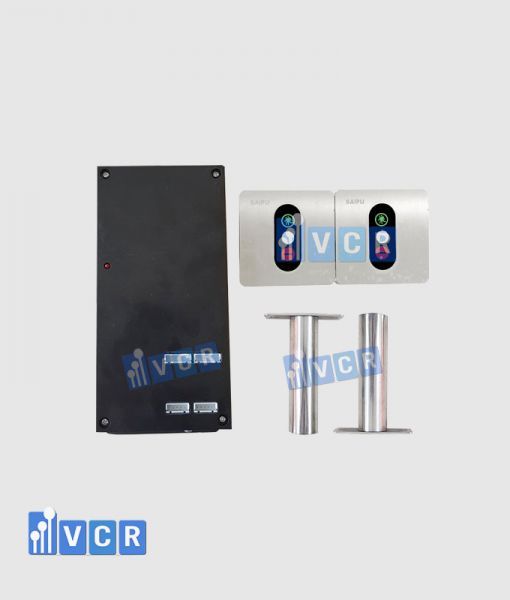
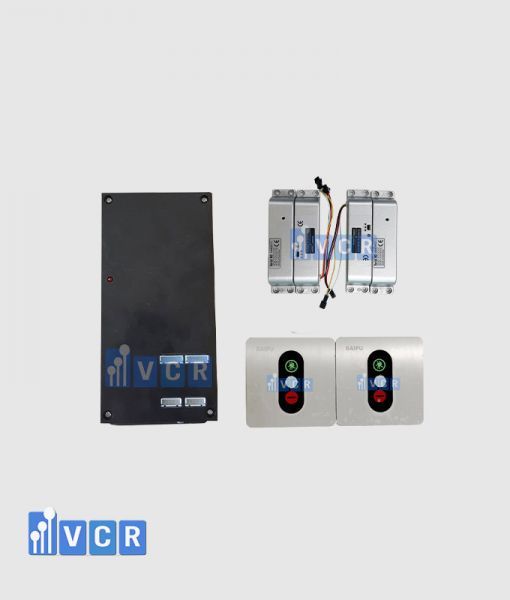
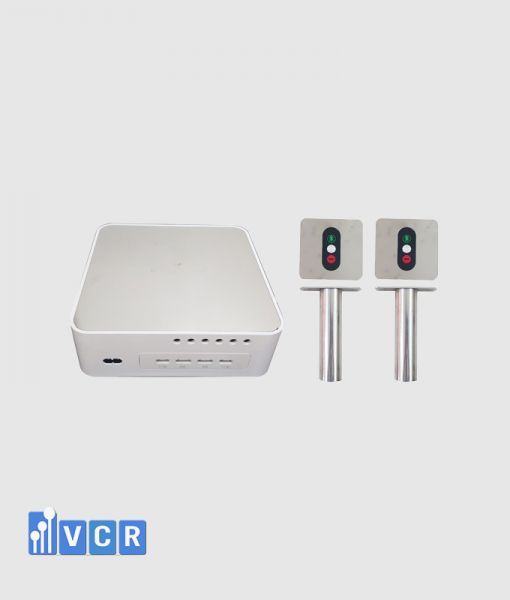
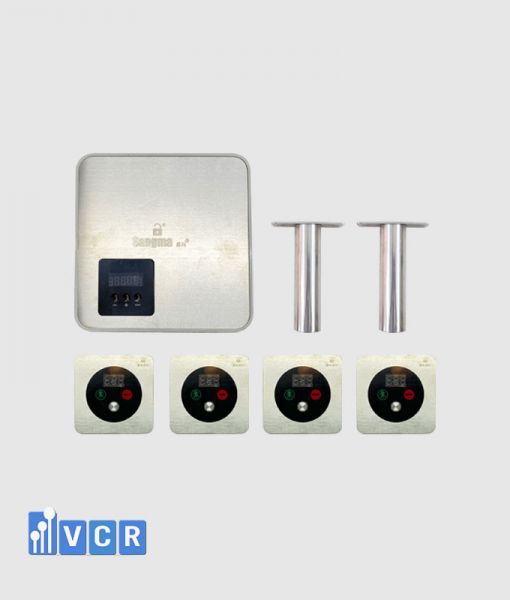
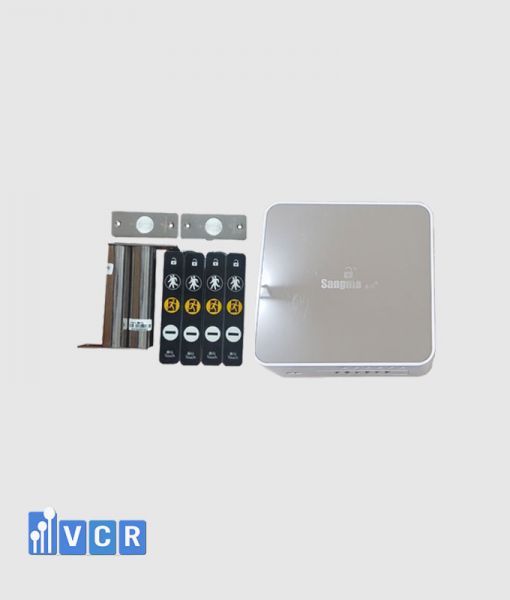
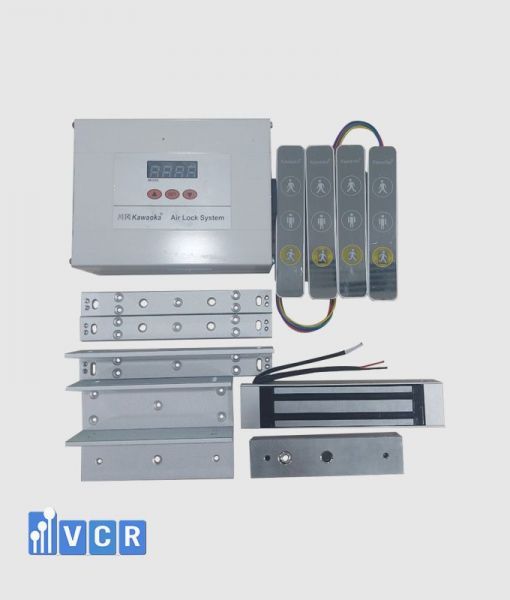
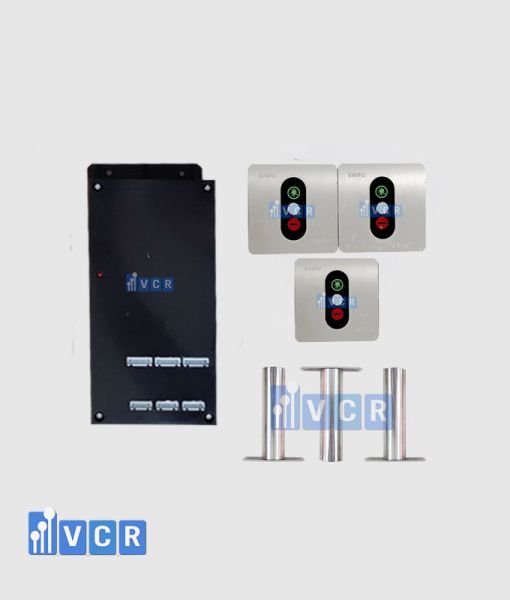
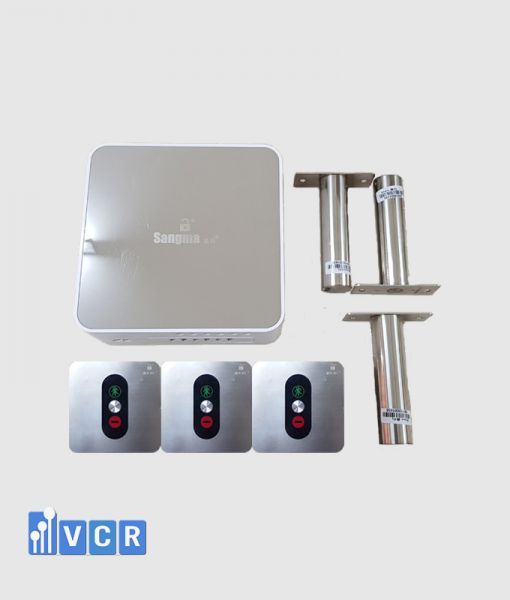
In practice, “VCR Cleanroom Equipment” has found that many cleanroom issues are not caused by equipment failure, but by incorrect operation procedures.
What is the correct way to operate an interlock system in a cleanroom?
Proper operation starts with following the core principle: only one door should be opened at a time, and each door must be fully closed before opening another. Operators should observe indicator lights or system status signals to determine when a door can be opened. Forcing a locked door should be strictly avoided, as it may damage the system or disrupt logic control. Additionally, operators must follow SOPs and avoid unnecessary intervention. Correct operation ensures stable pressure differentials, maintains airflow integrity, and prevents cross-contamination within the cleanroom.
How does an interlock system function during production shifts?
During production, the interlock system operates continuously to control door access between cleanroom zones. When one door is opened, the system automatically locks the other doors until the first door is fully closed. This ensures that airflow direction and pressure balance are maintained at all times. Operators do not need to manually control the system, as it functions automatically based on predefined logic. The interlock acts as a safeguard layer, minimizing human error and ensuring consistent environmental control throughout the shift.
When should an interlock system be stopped?
An interlock system should only be stopped during maintenance, repair, or in the event of critical system failure. Any shutdown must follow approved procedures and be authorized to avoid compromising cleanroom conditions. During downtime, alternative control measures should be implemented to maintain environmental stability. Improper shutdown can lead to pressure imbalance and contamination risks.
Do interlock systems have safety features during operation?
Yes, most interlock systems include safety features such as emergency override functions and alarm signals. These features ensure operator safety in critical situations, such as system failure or emergency evacuation. However, their use must be controlled and documented to avoid disrupting cleanroom conditions. Proper training is required to ensure safe usage.
Is operator training required for interlock systems?
Yes, operator training is essential to ensure proper system use and troubleshooting. Personnel must understand system principles, status indicators, and correct operating procedures. Training reduces operational errors and improves system reliability.
Can operators force open doors when interlocks are engaged?
No, forcing doors open while the interlock is engaged is strictly prohibited. This can damage the system and disrupt control logic. In special cases, emergency override procedures must be followed according to SOPs. Proper compliance ensures safety and system integrity.
Do interlocks affect movement speed within cleanrooms?
Interlocks may slightly slow movement due to controlled door sequencing. However, this is necessary to maintain contamination control and pressure stability. Proper design minimizes operational delays.
Should interlock status be checked before operation?
Yes, system status should be checked before each shift to ensure proper operation. This includes verifying indicators, sensors, and lock functionality. Early detection prevents operational disruptions.
Must interlocks operate continuously?
Yes, interlocks must operate continuously to maintain environmental control. Disabling the system can lead to pressure loss and contamination. Shutdown should only occur under controlled conditions.
Is logging required during interlock operation?
Yes, logging is essential for tracking system performance and identifying issues. It is also a GMP requirement for traceability. Logs should be accurate and regularly reviewed.
Can interlocks cause operational issues?
Improper use can lead to operational disruptions, but when used correctly, interlocks improve system stability and reduce errors. Proper training and procedures minimize risks.
What should operators do when interlocks show errors?
Operators should check system status and follow SOP troubleshooting procedures. Unauthorized repairs should be avoided. Proper handling prevents further complications.
Is SOP compliance required during operation?
Yes, SOP compliance ensures consistent and correct operation. It reduces errors and supports GMP compliance. Auditors often verify adherence to SOPs.
Can interlocks operate fully automatically?
Yes, interlocks can operate automatically, but human supervision is still required. This ensures proper functioning and quick response to issues.
Should interlocks be monitored during operation?
Yes, periodic monitoring during shifts helps detect abnormalities early. Continuous observation improves reliability and safety.
Do interlocks need to coordinate with other systems?
Yes, interlocks often work with HVAC and access control systems. Proper coordination ensures stable environmental control.
Should access to interlocks be restricted?
Yes, limiting access to trained personnel reduces misuse and ensures compliance. Controlled access improves system reliability.
Can human error affect interlock performance?
Yes, improper operation is a common cause of system issues. Training and supervision are essential to minimize human error.
Should interlock performance be evaluated regularly?
Yes, regular evaluation helps identify improvements and maintain efficiency. Performance reviews support continuous improvement.
How can interlock systems be operated effectively in cleanrooms?
Effective operation requires SOP compliance, proper training, and regular system checks. Continuous monitoring and timely issue resolution are essential. A well-operated interlock system ensures stable conditions, minimizes risks, and supports ISO and GMP compliance.
Duong VCR