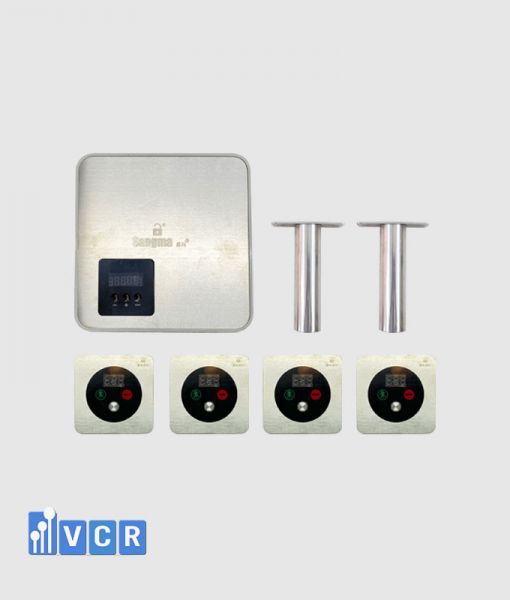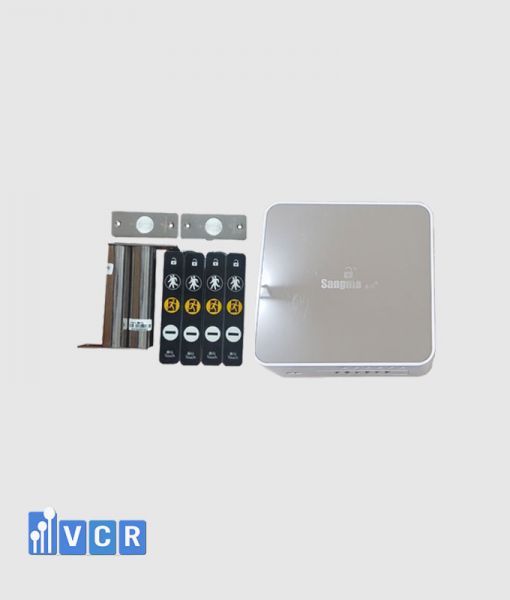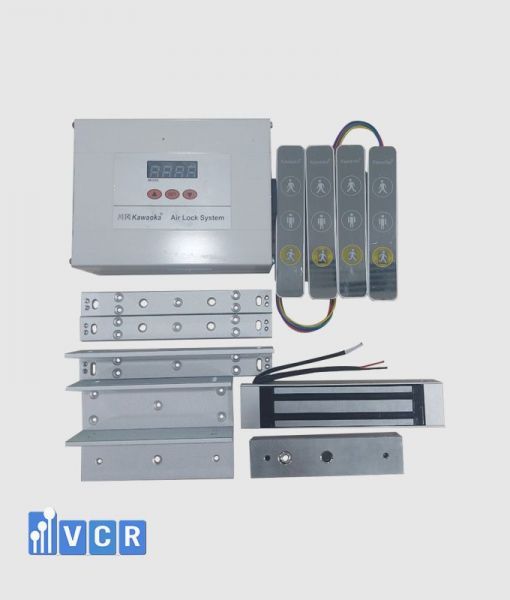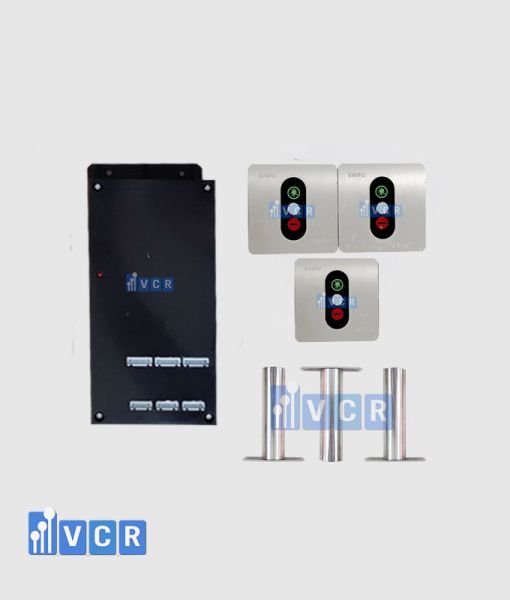

Proper maintenance and servicing of interlock systems ensure stable operation, prevent failures, and support GMP compliance. It is essential for long-term cleanroom performance.
- How often should interlock systems be maintained in cleanrooms?
- What are the key steps in periodic interlock inspection?
- Which interlock components require regular maintenance?
- When should electromagnetic locks be replaced?
- When should door sensors be replaced?
- Is cleaning required during interlock maintenance?
- Should power supply be checked during maintenance?
- Is logic verification required during maintenance?
- Should system integration be checked during maintenance?
- Is maintenance logging required?
- What are signs that an interlock needs maintenance?
- Is a preventive maintenance plan necessary?
- Is technician training required for maintenance?
- Should original spare parts be used?
- Should door sealing be checked during maintenance?
- Should alarm systems be checked?
- Should response time be evaluated?
- Is maintenance required even when the system operates normally?
- What should be included in an interlock maintenance checklist?
- How can interlock maintenance be optimized in cleanrooms?
In long-term operation, “VCR Cleanroom Equipment” has found that many interlock issues can be prevented with proper maintenance planning and regular inspections.
How often should interlock systems be maintained in cleanrooms?
Maintenance frequency depends on usage intensity, operating environment, and GMP requirements. Typically, routine inspections should be performed monthly, with comprehensive maintenance every 6–12 months. In high-use areas such as airlocks or material transfer zones, maintenance intervals may need to be shorter to ensure consistent performance. Establishing a structured maintenance plan helps detect early signs of wear, prevents unexpected failures, and ensures continuous system reliability.
What are the key steps in periodic interlock inspection?
Periodic inspection includes checking electromagnetic locks, door sensors, control units, and power supply systems. Functional logic must also be verified to ensure doors do not open simultaneously and system responses are accurate. Additionally, inspections should identify wear, unusual noise, or warning signals. A complete inspection routine ensures stable operation and reduces failure risks.
Which interlock components require regular maintenance?
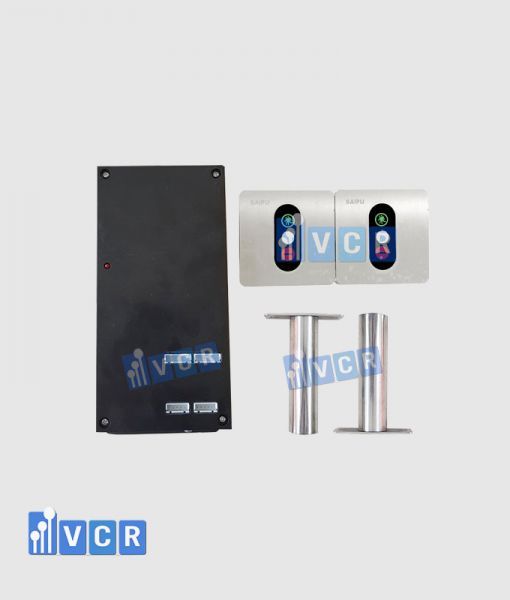
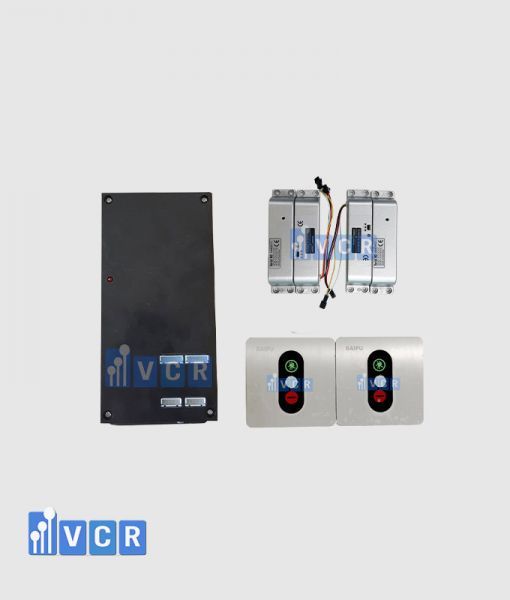
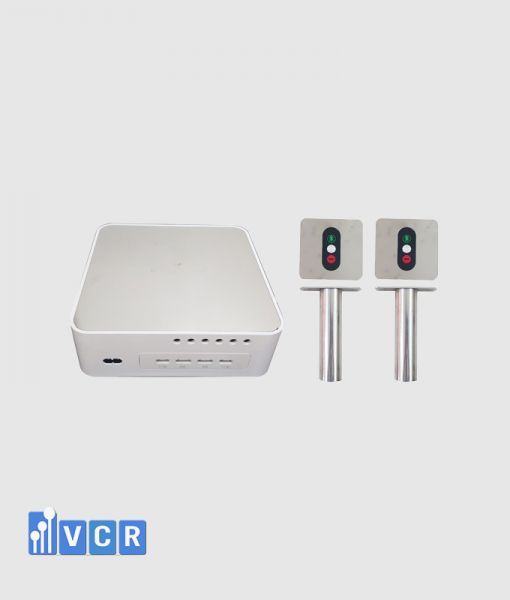
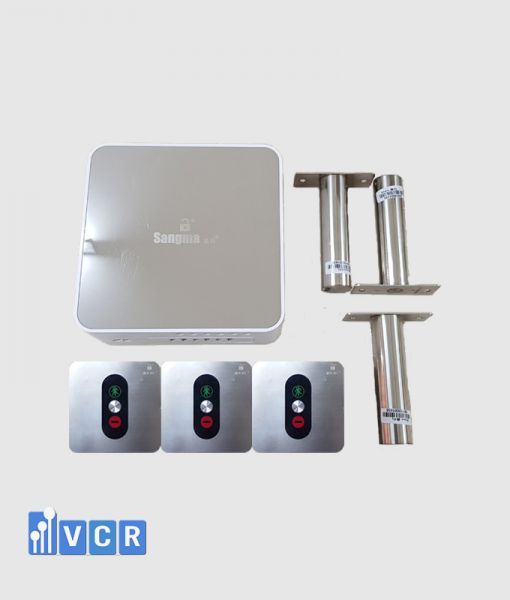
Key components requiring maintenance include electromagnetic locks, door sensors, wiring connections, and control units. Locks should be checked for holding strength and stability, while sensors must provide accurate feedback. Wiring should be inspected for looseness or damage. Regular maintenance ensures system efficiency and longevity.
When should electromagnetic locks be replaced?
Electromagnetic locks should be replaced when they no longer provide sufficient holding force or operate inconsistently. Signs include doors opening unexpectedly or failing to unlock when required. Timely replacement prevents operational disruptions and safety risks.
When should door sensors be replaced?
Door sensors should be replaced when they fail to detect door status accurately or send incorrect signals. Faulty sensors can disrupt system logic and affect overall performance. Regular inspection helps identify issues early.
Is cleaning required during interlock maintenance?
Yes, cleaning is an essential part of maintenance to remove dust and contaminants that may affect system performance. Cleaning methods must comply with cleanroom standards to avoid introducing contamination. Proper cleaning improves reliability and lifespan.
Should power supply be checked during maintenance?
Yes, a stable power supply is critical for proper operation. Voltage fluctuations or instability can cause system malfunctions. Regular checks ensure continuous and reliable performance.
Is logic verification required during maintenance?
Yes, logic verification ensures the system continues to function correctly. This includes confirming door sequencing and preventing simultaneous opening. Regular testing maintains system integrity.
Should system integration be checked during maintenance?
Yes, if interlocks are integrated with systems such as BMS or HVAC, integration checks are necessary to ensure synchronized operation. This prevents system conflicts and ensures efficiency.
Is maintenance logging required?
Yes, maintenance logs are essential for tracking system history and supporting GMP audits. Logs should be detailed and accurate to ensure traceability and compliance.
What are signs that an interlock needs maintenance?
Common signs include improper door locking, delayed response, warning signals, or unusual operation. Early detection allows timely intervention and prevents system failure.
Is a preventive maintenance plan necessary?
Yes, a preventive maintenance plan ensures timely inspections and servicing. It reduces risks, improves system performance, and extends equipment lifespan.
Is technician training required for maintenance?
Yes, maintenance personnel must be trained to perform tasks correctly and safely. Proper training improves maintenance quality and reduces errors.
Should original spare parts be used?
Yes, using original or approved spare parts ensures compatibility and system reliability. Incompatible parts may cause malfunction or reduce performance.
Should door sealing be checked during maintenance?
Yes, door sealing affects pressure control and contamination prevention. Inspecting seals ensures proper cleanroom performance and system efficiency.
Should alarm systems be checked?
Yes, alarm systems must be tested to ensure accurate warnings and system feedback. This helps detect issues early and improves operational safety.
Should response time be evaluated?
Yes, response time should be tested to ensure the system reacts quickly and accurately. Slow response may indicate underlying issues that require attention.
Is maintenance required even when the system operates normally?
Yes, preventive maintenance should be performed even without visible issues. This ensures long-term reliability and prevents unexpected failures.
What should be included in an interlock maintenance checklist?
The checklist should include inspection of locks, sensors, power supply, system logic, integration, and documentation. A complete checklist ensures thorough maintenance and compliance with standards.
How can interlock maintenance be optimized in cleanrooms?
Effective maintenance requires regular inspections, structured planning, trained personnel, and proper documentation. Using compatible parts and monitoring system performance ensures long-term stability. A well-maintained interlock system supports ISO and GMP compliance and minimizes operational risks.
Duong VCR