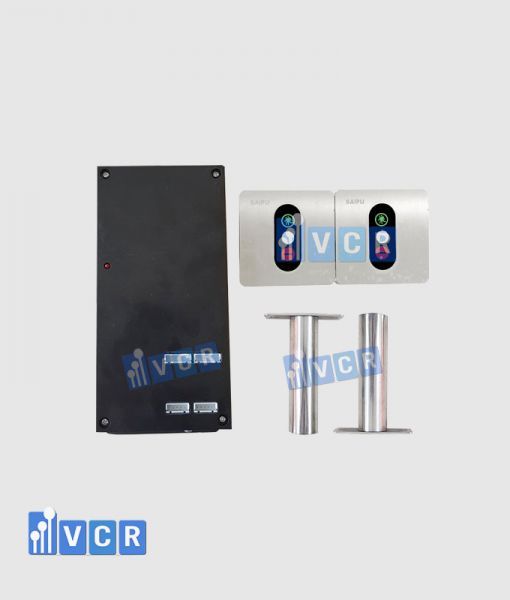
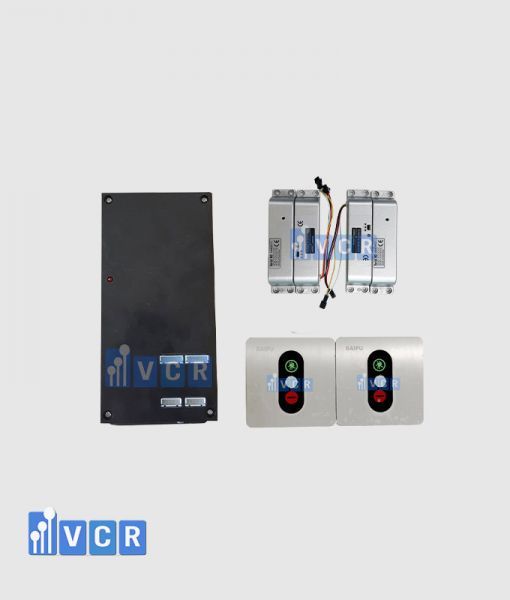
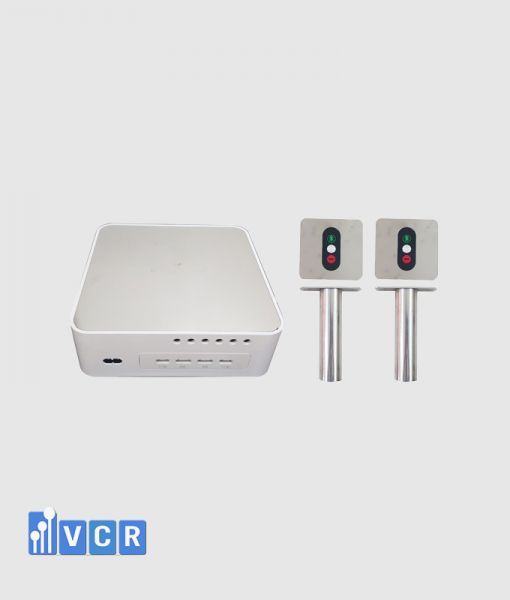
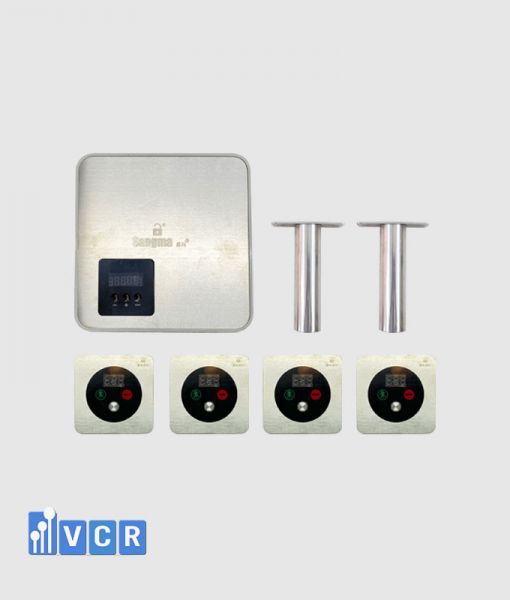
In real audits, “VCR Cleanroom Equipment” has found that interlocks are small components but often examined in detail because they directly impact contamination control.
What do GMP audits typically check for interlock systems?
GMP audits evaluate both documentation and actual performance of interlock systems. Auditors verify that the system logic prevents simultaneous door opening and ensures correct operation according to design. They also review documentation such as IQ/OQ/PQ reports, SOPs, maintenance records, and operational logs. On-site functional testing is often conducted to confirm system performance matches documented procedures. Any discrepancy between documentation and actual operation may lead to non-compliance findings. Therefore, both technical functionality and documentation integrity are equally important.
What documentation should be prepared for interlock audits?
Required documentation includes design drawings, wiring diagrams, datasheets, validation documents (IQ/OQ/PQ), SOPs for operation and maintenance, and operational logs. Training records for personnel must also be available. All documents should be current, complete, and easily accessible. Proper documentation demonstrates system control and compliance with GMP requirements.
Are SOPs mandatory for interlock systems?
Yes, SOPs are mandatory in GMP environments to standardize operation, maintenance, and troubleshooting procedures. They ensure consistent execution and reduce human error. Auditors typically compare SOP content with actual practices to assess compliance. SOPs must be clear, updated, and aligned with real system operation.
How should interlock systems be prepared for GMP audits?
Preparation involves verifying both system functionality and documentation. Functional tests should confirm correct door logic and system performance. Documentation such as validation records, SOPs, and maintenance logs should be reviewed for completeness and accuracy. Personnel should be trained to explain system operation and procedures. Proper preparation reduces audit risks and improves compliance outcomes.
What are common audit findings related to interlocks?
Common findings include incorrect system logic, missing validation documentation, incomplete SOPs, or lack of adherence to procedures. Missing logs or outdated maintenance records are also frequent issues. These findings may be classified as significant if they affect contamination control. Proper system management helps avoid such issues.
Is validation required for interlock systems in audits?
Yes, validation is required to demonstrate that the interlock performs as intended. Lack of validation may result in non-compliance findings. Full IQ/OQ/PQ documentation is necessary.
Is periodic requalification required?
Yes, requalification ensures continued performance over time. It is important for maintaining long-term GMP compliance and system reliability.
Do auditors perform on-site functional checks?
Yes, auditors often test interlock operation to confirm proper functionality. This ensures consistency between documentation and actual performance.
Are operational logs required for audits?
Yes, logs provide traceability and evidence of system performance. Missing logs may lead to compliance issues.
Are maintenance records required?
Yes, maintenance records demonstrate that the system is properly maintained. They are essential for audit compliance.
Is operator training required?
Yes, training ensures personnel understand procedures and system operation. Auditors often review training records during audits.
Should system integration be verified during audits?
Yes, if interlocks are integrated with systems such as BMS or HVAC, integration must be verified to ensure proper operation.
Can minor interlock issues cause audit failure?
Yes, even minor issues can lead to findings if they affect contamination control or system reliability. Thorough preparation is essential.
Is risk assessment required for interlocks?
Yes, risk assessment helps identify vulnerabilities and improve system design and operation. It is part of modern GMP practices.
Is change control documentation required?
Yes, any modification to interlock systems must be documented through change control procedures to maintain compliance.
Are periodic inspections required?
Yes, regular inspections ensure the system remains compliant and operational. This supports audit readiness.
Are troubleshooting SOPs required?
Yes, troubleshooting SOPs ensure proper response to system issues and reduce operational risks.
Is pressure differential verification required?
Yes, since interlocks affect pressure control, auditors may verify pressure differentials to ensure system effectiveness.
Is integration documentation required?
Yes, documentation for integrated systems such as BMS or HVAC is necessary to demonstrate proper operation and compliance.
How can interlock systems remain audit-ready in GMP environments?
Maintaining audit readiness requires complete documentation, regular inspections, proper validation, and trained personnel. Continuous monitoring and adherence to SOPs ensure stable operation. A well-managed interlock system minimizes audit risks and ensures long-term compliance with ISO and GMP standards.
Duong VCR