
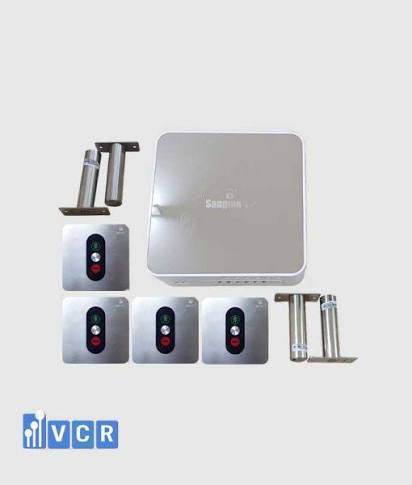
An interlocking system is an important component of cleanroom door systems, helping control door-opening sequences and preventing two interconnected doors from being opened simultaneously. When purchasing a cleanroom interlock in Tuyen Quang, contractors should prioritize suppliers with cleanroom expertise and the ability to recommend configurations suitable for the door, airlock and technical requirements of each project.
- What Is a Cleanroom Door Interlocking System?
- Why Are Interlocks Important in Cleanrooms?
- Where Can Contractors Buy Cleanroom Interlocks in Tuyen Quang?
- Common Types of Cleanroom Interlocking Systems
- How Should Contractors Select a Cleanroom Interlock?
- Does an Interlock Affect Cleanroom Pressure Differential?
- Should Contractors Choose Low-Cost Interlocks?
- VCR Cleanroom Equipment as a Supplier for Cleanroom Contractors
- How to Purchase a Cleanroom Interlock in Tuyen Quang
- Conclusion
What Is a Cleanroom Door Interlocking System?
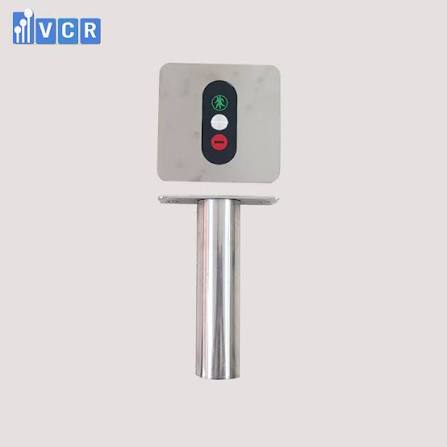
A cleanroom interlocking system, commonly known as an interlock or interlocking system, is a door-control system designed to prevent two or more interconnected doors from being opened simultaneously.
When one door is open, the interconnected doors remain locked until the open door is closed and the system confirms the required operating condition.
Interlocking systems are commonly used in personnel airlocks, material airlocks, changing rooms, material transfer areas and transition zones between spaces with different cleanliness classifications or pressure conditions.
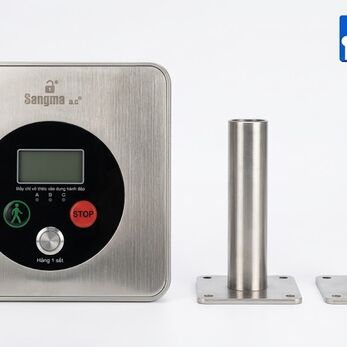
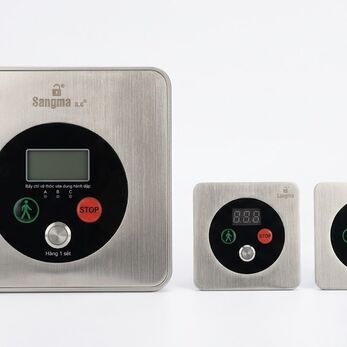
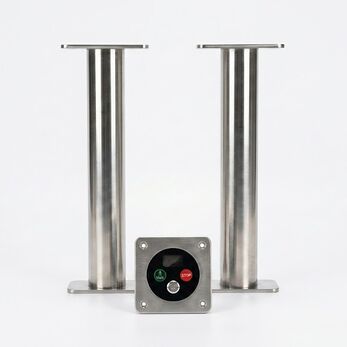
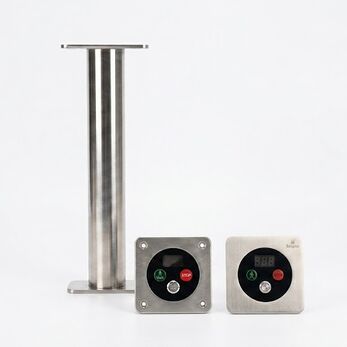
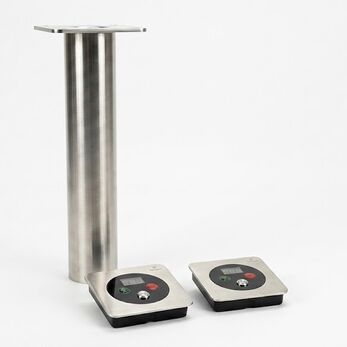
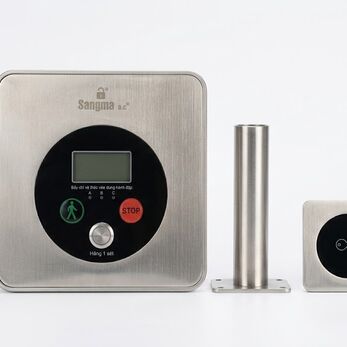
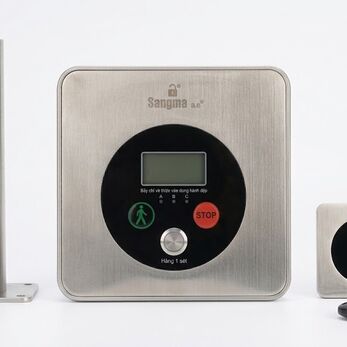
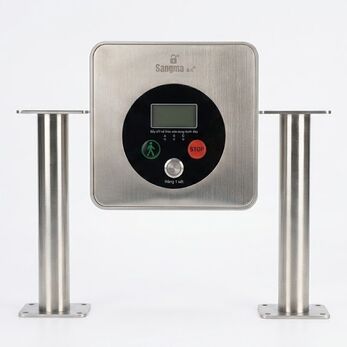
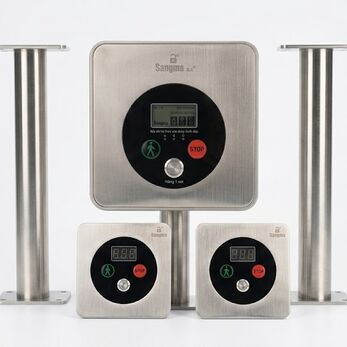
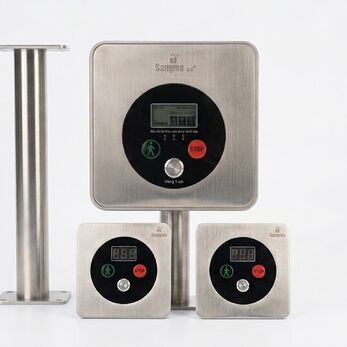
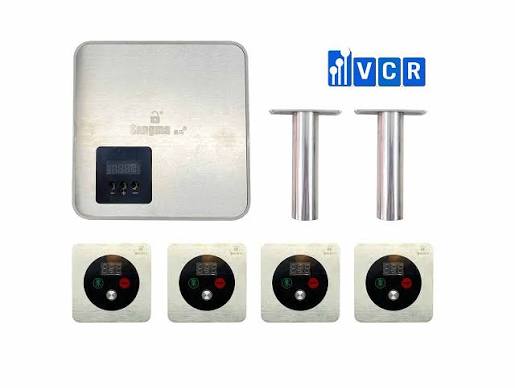
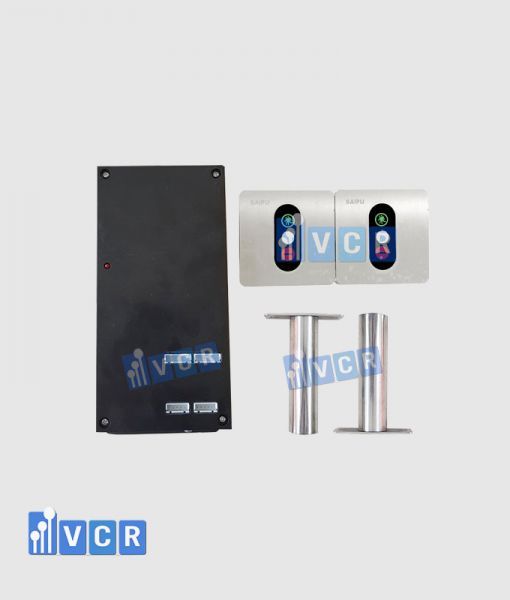
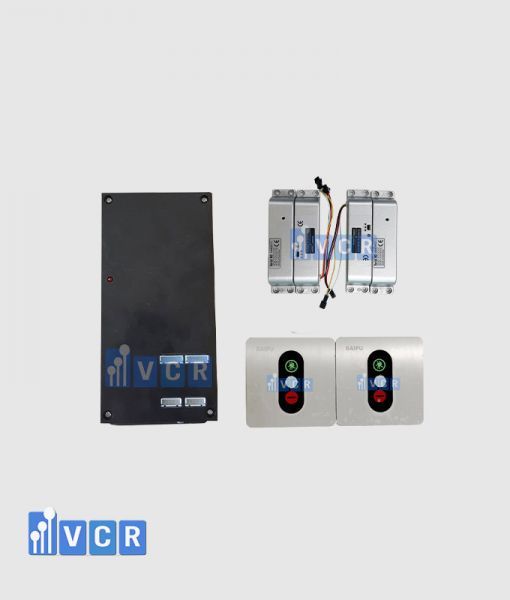
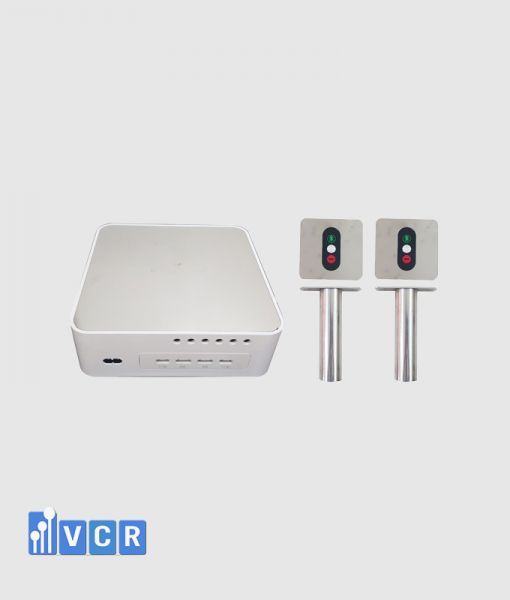
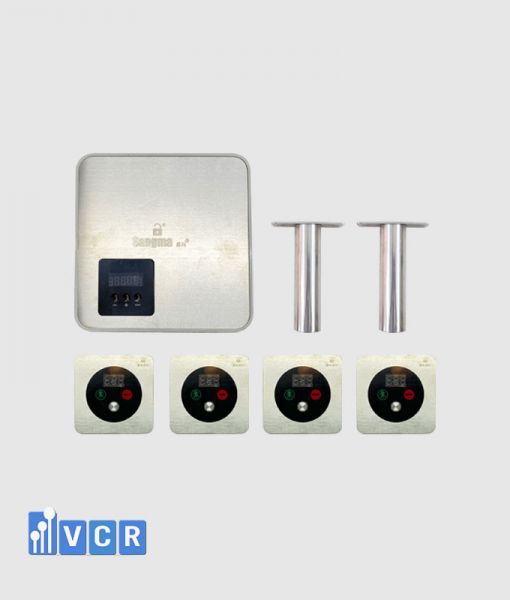
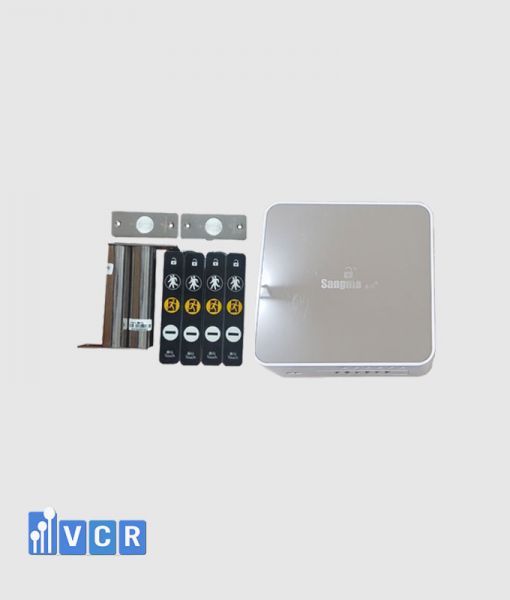
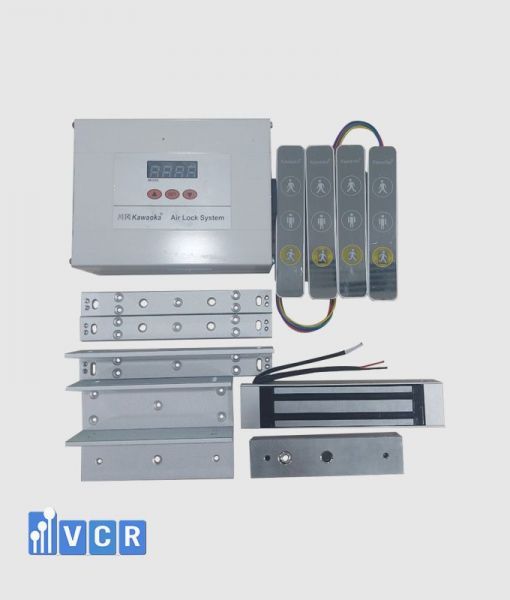
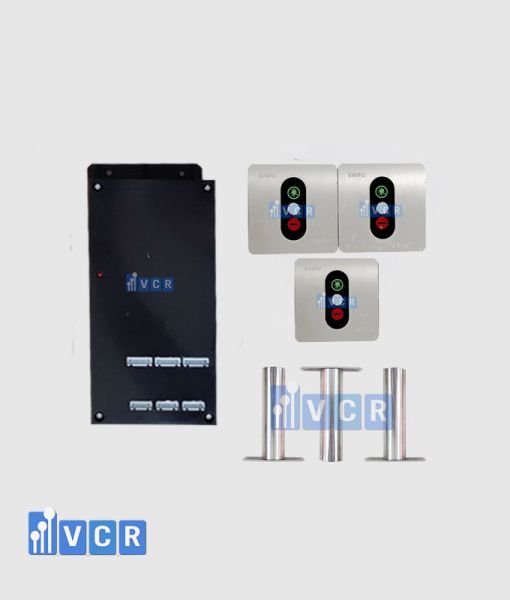
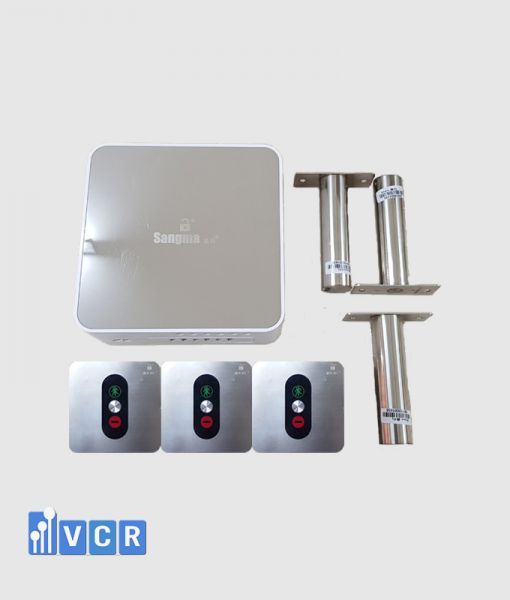
A complete system may include an interlock controller, electric locks, door-status sensors, push buttons and status indicators. Depending on project requirements, it can also interface with access control, fire alarm or centralized monitoring systems.
Why Are Interlocks Important in Cleanrooms?
In a cleanroom, doors are not simply physical barriers. They are part of the overall environmental-control strategy. If two doors within the same airlock are opened simultaneously, air can move directly between adjacent areas.
For areas with pressure differentials, this can affect airflow direction and operating conditions. An interlocking system helps control the door-opening sequence and reduces the possibility of simultaneous door opening.
For example, when personnel move from a corridor into a clean area through a personnel airlock, the outer door should close before the inner door is released. The interlock controller manages this sequence using signals from door-status sensors.
In pharmaceutical, food, cosmetic, medical-device, electronics and other controlled manufacturing facilities, interlocks can also be integrated with status indicators, audible alarms, access control or fire alarm signals.
Where Can Contractors Buy Cleanroom Interlocks in Tuyen Quang?
Tuyen Quang is developing its industrial, food-processing, agricultural and supporting manufacturing activities. As production facilities expand and environmental-control requirements become more important, demand for cleanroom and specialized door-control equipment may also increase.
In cleanroom projects in Tuyen Quang, interlocking systems are commonly used in personnel airlocks, material airlocks, changing rooms and material transfer areas. Although the interlock represents a relatively small portion of the overall cleanroom investment, it has an important role in door-control logic.
When searching for a cleanroom interlock in Tuyen Quang, contractors may encounter suppliers specializing in electric locks, access-control systems or door accessories. However, a cleanroom interlock should be selected according to the complete system configuration.
The supplier should understand the door type, number of doors, airlock layout, power supply, door-status sensing and control logic. For cleanroom projects with strict environmental requirements, system-level technical advice can help reduce installation and commissioning risks.
VCR Cleanroom Equipment supplies cleanroom equipment to cleanroom construction contractors. For interlock requirements in Tuyen Quang, contractors can provide information about the door type, number of doors, interlocking layout and control requirements so that a suitable configuration can be considered.
Common Types of Cleanroom Interlocking Systems
The two-door interlock is the most common configuration. When Door A is opened, the door-status sensor sends a signal to the controller and Door B remains locked. When Door A is closed, the system releases Door B according to the programmed sequence.
For systems involving three or more doors, the controller must process multiple signals and operating states. The control logic can be configured according to the specific requirements of each airlock and movement route.
Status indicators help operators understand which door is available, which door is locked and whether the system is waiting for another door to close.
Depending on project requirements, the system can include emergency push buttons, audible alarms, access-control interfaces and fire alarm connections.
How Should Contractors Select a Cleanroom Interlock?
The first consideration is the door type. Cleanroom doors may be single, double, hinged or sliding. The electric lock and installation method must be compatible with the actual door construction.
The number of interconnected doors determines the required controller capability. Two-door systems generally have simple logic, while multi-door systems require controllers capable of handling multiple signals and operating sequences.
Power supply and control voltage should be defined before ordering. The controller, electric locks, sensors and indicators must be compatible with the project's electrical system.
Contractors should also determine the required operating mode during power failure. Depending on safety requirements, the system may use fail-safe or fail-secure operation. Emergency-release functionality should be considered to support safe access and evacuation.
If the interlock needs to connect with a fire alarm, access-control system or centralized monitoring system, the required interfaces should be defined during the design stage.
Does an Interlock Affect Cleanroom Pressure Differential?
An interlock does not directly generate differential pressure. Its primary function is to control the sequence in which doors can be opened.
However, an interlock supports environmental control by reducing the possibility of two airlock doors being opened simultaneously. This helps reduce uncontrolled air exchange between adjacent areas.
For cleanrooms with pressure-differential requirements, the interlock should therefore be considered together with HVAC design, airlock configuration, airflow direction and operating procedures.
Interlock selection should be based on the complete cleanroom system rather than only on the price of the individual device.
Should Contractors Choose Low-Cost Interlocks?
A low purchase price does not necessarily provide the best overall value. Equipment that is incompatible with the door, power supply or controller can create additional costs for modification and replacement.
Contractors should evaluate the total system cost, including the controller, electric locks, sensors, status indicators, push buttons, wiring, installation, testing and commissioning.
For projects requiring equipment transportation from major supply centers to Tuyen Quang, confirming the correct configuration from the beginning can help reduce additional transportation, return or replacement costs.
VCR Cleanroom Equipment as a Supplier for Cleanroom Contractors
VCR Cleanroom Equipment operates as a cleanroom equipment supplier serving cleanroom construction contractors. Interlocking systems are supplied according to the technical requirements and actual configuration of each project.
Contractors can provide door drawings, the number of interconnected doors, door type, power supply and control requirements. Based on this information, an appropriate interlock configuration can be selected.
This approach is suitable for cleanroom projects in Tuyen Quang and northern Vietnam, particularly for contractors requiring specialized equipment and technical advice from a supplier with cleanroom expertise.
In addition to the equipment, contractors should request technical specifications, product documentation, wiring diagrams and installation guidance to support verification, installation and commissioning.
How to Purchase a Cleanroom Interlock in Tuyen Quang
The first step is to define the number of doors and the airlock layout. Contractors should clearly identify which doors need to be interconnected and the required opening sequence.
The next step is to determine the door type, opening method, lock installation position, power supply and door-status sensing method.
If the system needs to connect to a fire alarm, access-control system or centralized monitoring platform, these requirements should be included in the technical documentation.
Contractors should then request a quotation together with technical specifications and product documentation. For multi-door systems, a basic control schematic should also be requested to verify the interlocking logic before ordering.
Confirming the configuration, quantity and accessories before shipment can help reduce the risk of problems during site installation.
Conclusion
A cleanroom interlocking system is an important component of cleanroom door systems, particularly in airlock areas. It controls door-opening sequences and helps reduce uncontrolled air exchange between adjacent areas.
When looking to buy a cleanroom interlock in Tuyen Quang, contractors should prioritize suppliers with cleanroom expertise, an understanding of cleanroom door systems and the ability to recommend configurations according to project requirements.
VCR Cleanroom Equipment supplies cleanroom equipment to cleanroom construction contractors and can be considered when sourcing interlocking systems and other cleanroom door equipment.
Rather than comparing price alone, contractors should evaluate compatibility, control logic, technical documentation, reliability, technical support and delivery capability. These factors provide a sound basis for selecting a suitable and reliable interlocking system for cleanroom applications.