
Interlock Systems are important door-control solutions for factories with cleanrooms, airlocks, buffer rooms, changing rooms and controlled production areas. In VSIP I Binh Duong Industrial Park, choosing a cleanroom-equipment specialist helps contractors implement reliable systems compatible with cleanroom doors, HVAC and factory operating requirements.
- What Is an Interlock System?
- Why Do Factories in VSIP I Binh Duong Need Interlock Systems?
- What Should an Interlock Supplier Provide?
- Thiết bị phòng sạch VCR Supplies Interlock Systems to Contractors
- Components of a Cleanroom Interlock System
- Interlock Systems for Electronics and Industrial Manufacturing
- Interlock Systems for Pharmaceutical and GMP Facilities
- Information Required for an Interlock Quotation
- Do Not Select Interlock Systems Based Only on Price
- Conclusion
What Is an Interlock System?
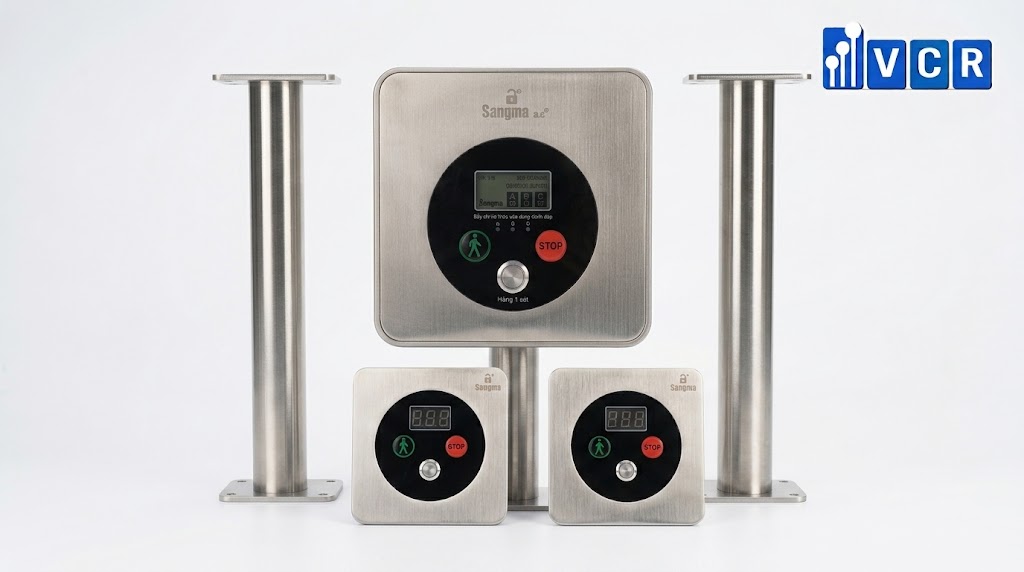
An Interlock System is a door-control system designed to regulate the opening sequence of two or more doors.
When one door is open, other doors within the same Interlock group remain locked. Once the active door has completely closed, the controller releases the next door according to the programmed logic.
In factories, Interlock Systems are commonly used at airlocks, buffer rooms, changing rooms, gowning rooms and transitions between areas with different environmental-control requirements.
Depending on the facility layout and operating requirements, the system can be configured for two, three or multiple doors.
Why Do Factories in VSIP I Binh Duong Need Interlock Systems?
VSIP I Binh Duong Industrial Park hosts a wide range of manufacturing businesses, including electronics, precision engineering, pharmaceutical, food, cosmetics and supporting industries.
For factories with controlled environments, personnel and material movement between different areas should be considered during the design stage.
If two doors within an airlock are opened simultaneously, air exchange between adjacent areas can increase. This may affect airflow direction, pressure differential and designed environmental conditions.
An Interlock System controls the door-opening sequence and limits the possibility of two doors within the same group being opened simultaneously.
However, Interlock does not generate pressure differential. HVAC creates and maintains pressure differential, while Interlock supports controlled door operation.
What Should an Interlock Supplier Provide?
For factory projects in VSIP I Binh Duong, suppliers should be capable of providing configurations based on project drawings and actual operating requirements.
Important factors include door type, dimensions, construction, number of interlocked doors, electric-lock type, control voltage and door-status sensors.
For multi-door systems, control logic should correspond to personnel and material flows. Door-open, door-closed, release and fault conditions should be clearly defined.
If BMS, access control or centralized monitoring integration is required, interface requirements should be established during the design stage.
Thiết bị phòng sạch VCR Supplies Interlock Systems to Contractors
Thiết bị phòng sạch VCR supplies cleanroom equipment to cleanroom construction contractors. Its product range includes Interlock Systems, cleanroom doors, Pass Boxes, Dynamic Pass Boxes, Air Showers, LAF units, FFU systems and HEPA Boxes.
For factory projects in VSIP I Binh Duong Industrial Park, VCR can advise on Interlock configurations based on layouts, door types and technical requirements.
Contractors can provide cleanroom drawings, door quantities, dimensions, door types and operating requirements. Based on these details, the Interlock configuration can be selected to match the actual door system.
For large projects, catalogues, datasheets, wiring diagrams and technical documents are useful for material approval, installation and commissioning.
Components of a Cleanroom Interlock System
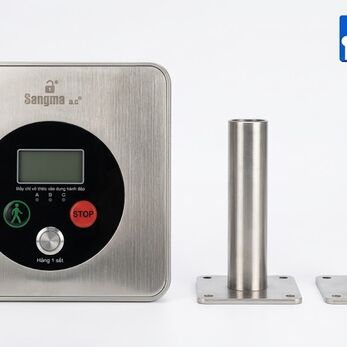
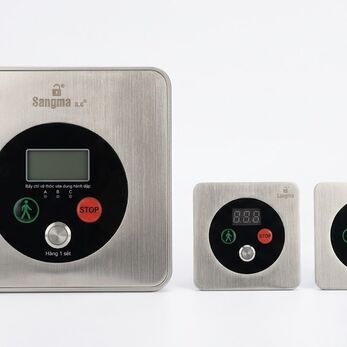
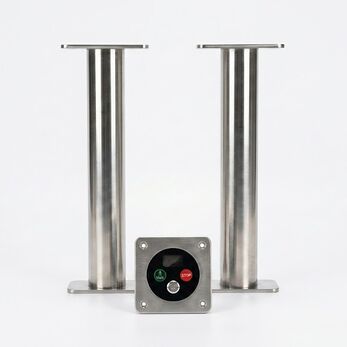
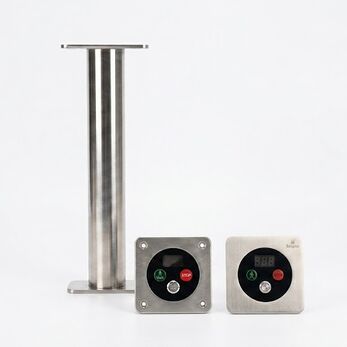
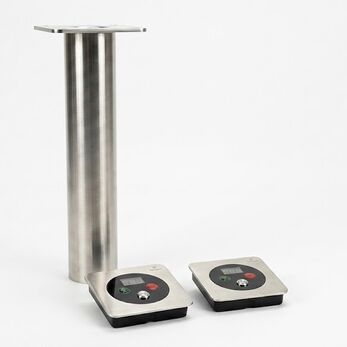
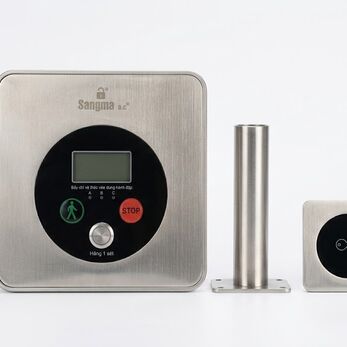
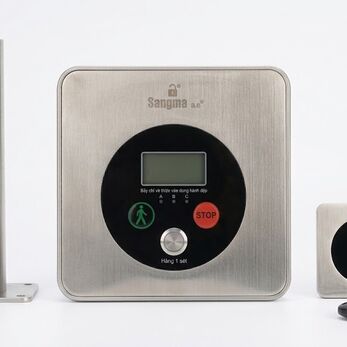
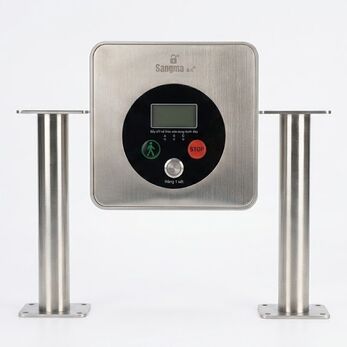
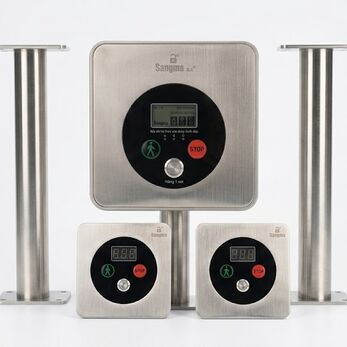
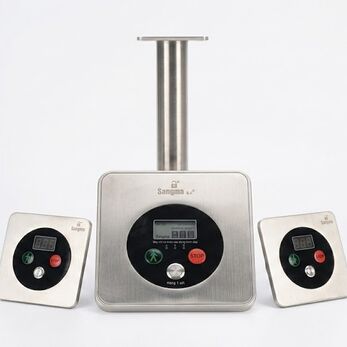
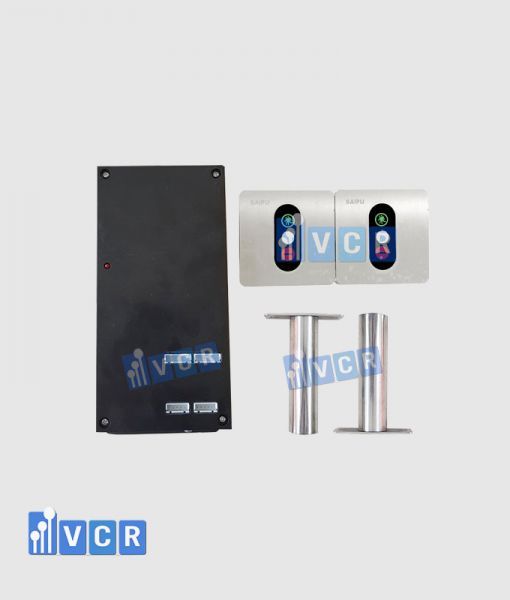
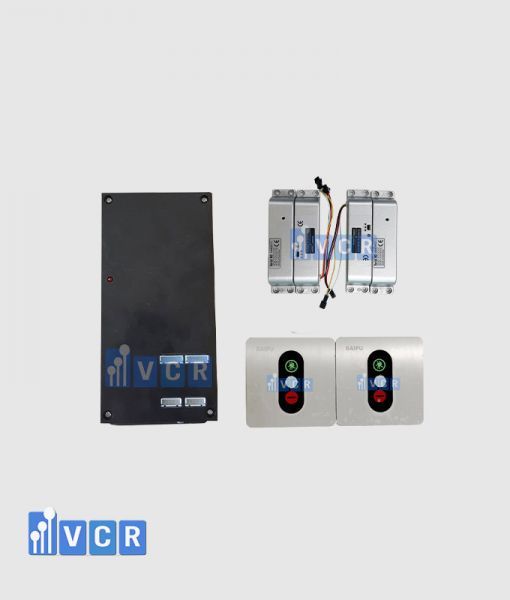
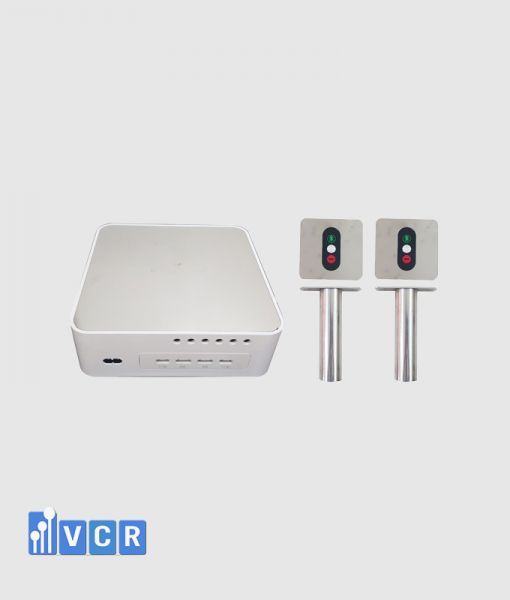
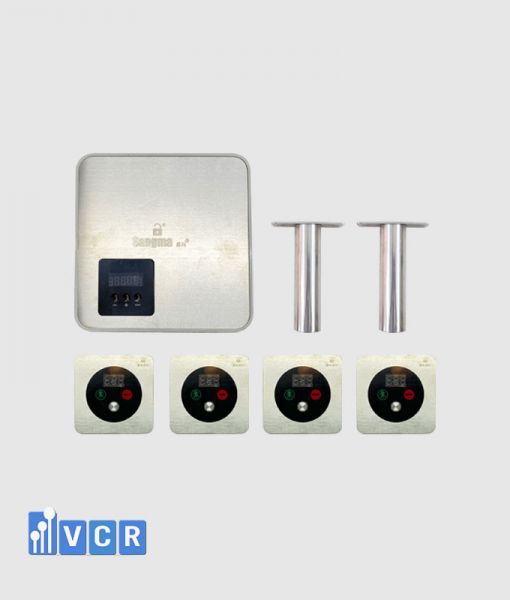
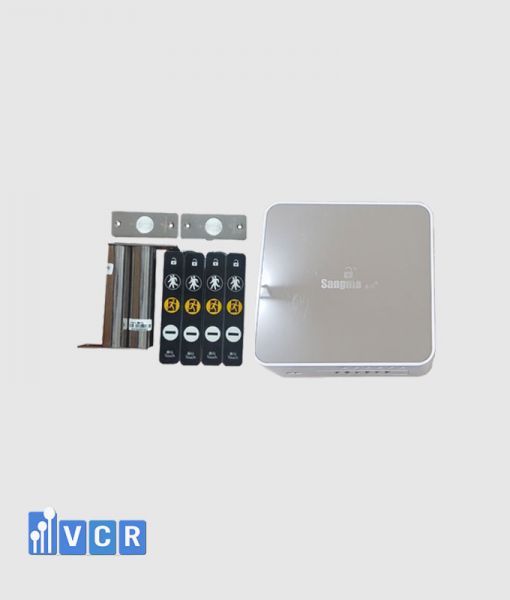
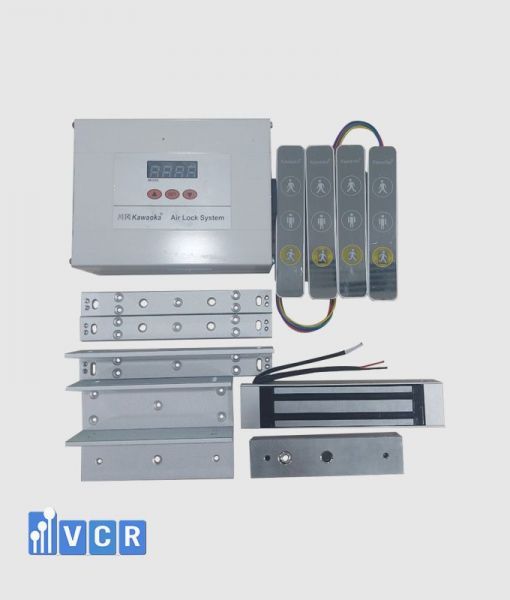
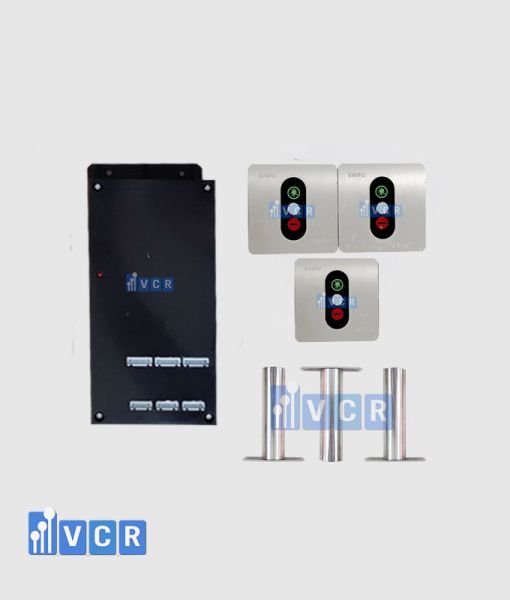
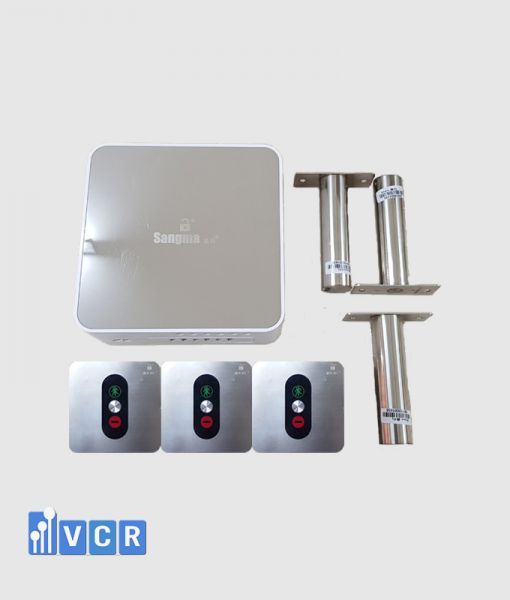
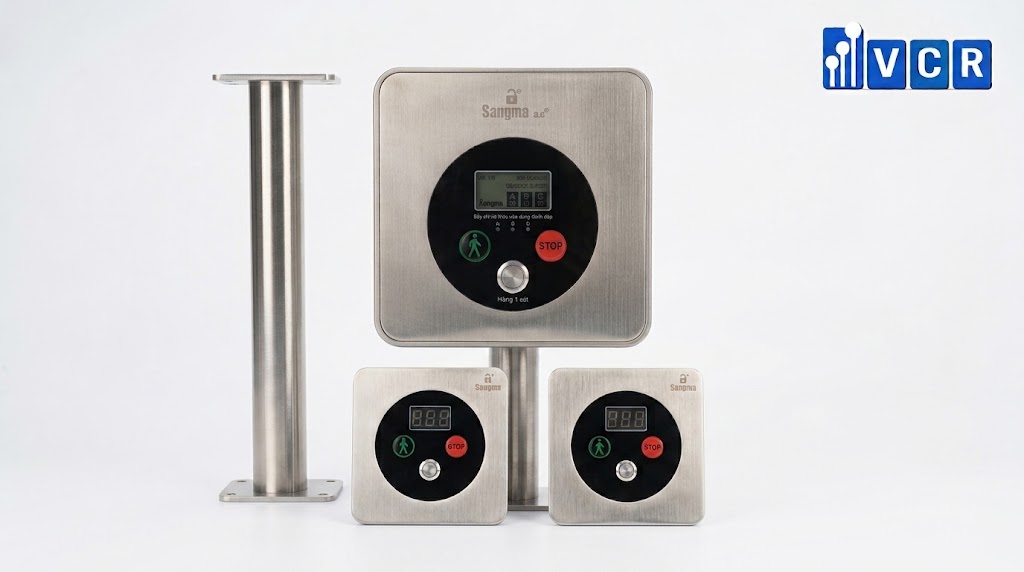
A basic Interlock System normally includes a controller, electric locks, door-status sensors, push buttons and visual indicators.
Door sensors identify whether a door is open or closed and transmit signals to the controller. The controller processes these signals according to predefined logic to determine which door may be released.
The electric lock performs the locking or holding function. The lock type should be selected according to cleanroom door construction and operating requirements.
Depending on project requirements, the system can include emergency-release buttons, audible alarms, status indicators and centralized monitoring signals.
Power-failure and emergency operating conditions should also be defined before implementation.
Interlock Systems for Electronics and Industrial Manufacturing
For electronics, component and controlled manufacturing facilities, Interlock Systems can be used at changing rooms, gowning rooms, airlocks, cleanrooms and transition areas.
If the factory has ESD-control requirements, the door and Interlock system should be coordinated with the overall ESD-control strategy.
High-traffic doors require reliable equipment. Sensors must accurately identify door status to prevent incorrect locking or unintended release.
For factories requiring particle or contamination control, Interlock should be considered together with cleanroom doors and HVAC.
Interlock Systems for Pharmaceutical and GMP Facilities
If a factory in VSIP I Binh Duong includes pharmaceutical, cosmetics, food or medical-device areas requiring environmental control, Interlock should be considered during cleanroom design.
Personnel and material flows should be defined before doors are grouped. Control logic can then be established according to each movement route.
A common configuration prevents the second door from opening while the first door remains open. Once the first door has completely closed, the controller releases the second door.
Interlock supports environmental zoning but does not replace HVAC, pressure differential or operating procedures.
Information Required for an Interlock Quotation
To obtain an accurate quotation, contractors should provide the number of interlocked doors, door types, door dimensions and the number of doors in each group.
Information about electric locks, control voltage, door sensors, push buttons, indicators and control requirements should also be defined.
If layout drawings, door schedules or control diagrams are available, they should be submitted for technical review.
For large factory projects, requirements for BMS, access control and centralized monitoring should also be identified.
Do Not Select Interlock Systems Based Only on Price
Price is an important factor, but it should not be the only criterion when selecting an Interlock System for a factory.
An unstable system may cause sensor failures, unreliable locking or inappropriate control logic. Once the factory is operational, these problems can affect production and increase maintenance costs.
Contractors should evaluate reliability, compatibility with cleanroom doors, technical documentation, spare-parts availability and technical support.
A properly selected Interlock System can reduce risks during installation, commissioning and long-term operation.
Conclusion
When looking for an Interlock System supplier for factories in VSIP I Binh Duong Industrial Park, contractors should prioritize suppliers with cleanroom-equipment expertise and project-based technical consultation.
The Interlock System should be coordinated with cleanroom doors, electric locks, sensors, HVAC and the factory control system. For electronics, high-tech, pharmaceutical, food and medical-device facilities, technical documentation and after-sales support should be considered from the beginning.
As a cleanroom equipment supplier serving cleanroom construction contractors, Thiết bị phòng sạch VCR supplies Interlock Systems and other cleanroom equipment for factory projects in VSIP I Binh Duong Industrial Park and industrial parks throughout Vietnam.